
A joint-stock enterprise specializing in the production and sales of cloth faced rubber shoes

- Home
- About Us
-
Products
Products
-
Official Mall
Official Mall

-
News Center
News Center

-
Qualifications
Qualifications

- Contact Us
- Language


All classifications
Discover the Best Materials for Camouflage Outdoor Training Shoes
Classification :
Published time :
2026-05-06
Discover the Best Materials for Camouflage Outdoor Training Shoes
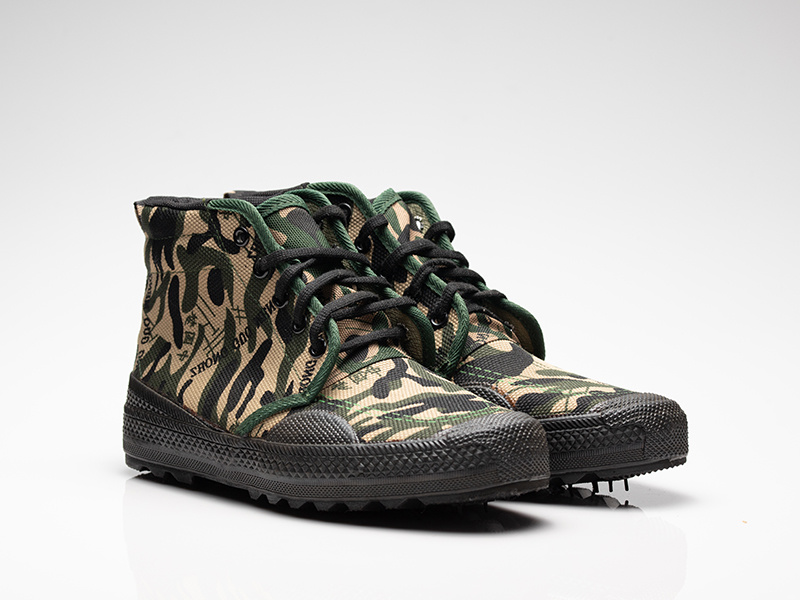
When it comes to outdoor training, especially in camouflage gear, the **type of footwear** you choose can make a significant difference. The right camouflage outdoor training shoes not only provide the necessary support and comfort but also blend seamlessly with your tactical attire. This detailed guide will explore various materials used in crafting these specialized shoes, ensuring you make an informed decision for your outdoor adventures.
Table of Contents
1. Introduction to Camouflage Outdoor Training Shoes
2. Importance of Material Selection
3. Common Materials Used in Outdoor Training Shoes
3.1 Synthetic Fabrics
3.2 Leather
3.3 Mesh and Breathable Fabrics
4. Water-Resistant and Waterproof Materials
5. Cushioning and Support Materials
5.1 EVA Foam
5.2 PU Foam
6. Grip and Traction Technologies
7. Additional Features to Consider
8. FAQs about Camouflage Outdoor Training Shoes
9. Conclusion
1. Introduction to Camouflage Outdoor Training Shoes
Camouflage outdoor training shoes are designed to meet the demands of outdoor enthusiasts and professionals alike. These shoes are crafted to endure rough terrains while providing comfort and stability. Whether you are hiking, running, or partaking in tactical training, selecting the right materials is crucial for enhancing your overall performance.
2. Importance of Material Selection
Choosing the right materials for camouflage outdoor training shoes can impact your experience significantly. **Durability**, **breathability**, **comfort**, and **performance** are essential factors that depend on the materials used. High-quality materials not only prolong the lifespan of your shoes but also elevate your training sessions, allowing you to focus on your activities without worrying about wear and tear.
3. Common Materials Used in Outdoor Training Shoes
Understanding the common materials used in manufacturing outdoor training shoes is vital for making an informed choice. Below, we delve into the various types of materials that enhance functionality and comfort.
3.1 Synthetic Fabrics
**Synthetic fabrics** such as nylon and polyester are popular choices for camouflage outdoor training shoes. These materials are lightweight yet strong, offering excellent abrasion resistance. Synthetic fabrics are often treated to be water-resistant, making them suitable for various weather conditions.
3.2 Leather
Leather is renowned for its durability and traditional aesthetic appeal. While it may be heavier than synthetic options, it provides excellent **support** and **protection**. Leather shoes often feature additional waterproof coatings, making them ideal for wet environments.
3.3 Mesh and Breathable Fabrics
In warmer climates or during intense training, **mesh and breathable fabrics** are invaluable. These materials allow for **ventilation**, ensuring your feet remain cool and dry. Many modern camouflage training shoes combine breathable mesh with synthetic overlays for added structure and support.
4. Water-Resistant and Waterproof Materials
When training in unpredictable weather or wet terrains, having shoes that can withstand moisture is essential. **Water-resistant materials** repel water, while **waterproof materials** provide complete protection against wet conditions. Look for shoes with waterproof linings such as Gore-Tex or similar technologies to ensure your feet stay dry.
5. Cushioning and Support Materials
Proper cushioning is crucial for maintaining comfort during extended periods of training. The materials used for cushioning can significantly impact the overall feel of the shoe.
5.1 EVA Foam
**EVA foam** (Ethylene Vinyl Acetate) is widely used in training shoes due to its excellent shock absorption properties. This lightweight material molds to your foot shape, providing personalized comfort and support.
5.2 PU Foam
**PU foam** (Polyurethane) offers superior durability and support compared to EVA foam. While slightly heavier, it provides excellent cushioning for those who engage in high-impact activities.
6. Grip and Traction Technologies
Traction is essential for outdoor training shoes, particularly when navigating uneven or slippery surfaces. Look for shoes with rubber outsoles featuring specialized tread patterns that provide optimal grip. Certain technologies, like Vibram, are recognized for enhancing traction and durability.
7. Additional Features to Consider
When selecting camouflage outdoor training shoes, consider additional features that may meet your specific needs:
- **Ankle Support:** High-top designs provide extra support for the ankles, reducing the risk of injuries.
- **Adjustable Lacing Systems:** These can help achieve a customized fit, enhancing comfort and security during training.
- **Reflective Elements:** For visibility during low-light conditions, having reflective elements on your shoes can be crucial.
8. FAQs about Camouflage Outdoor Training Shoes
What are the best materials for camouflage outdoor training shoes?
The best materials include synthetic fabrics for durability, leather for support, and breathable meshes for ventilation.
How do I choose the right size for outdoor training shoes?
Always refer to the manufacturer's sizing guide and consider trying shoes on in the evening when your feet are slightly swollen for the best fit.
Are waterproof shoes necessary for outdoor training?
Waterproof shoes are beneficial if you train in wet conditions or during rainy seasons. They help keep your feet dry and comfortable.
How often should I replace my outdoor training shoes?
It’s generally recommended to replace outdoor training shoes every 300-500 miles, depending on usage and wear.
Can I use camouflage outdoor training shoes for running?
Yes, as long as the shoes provide adequate cushioning, support, and grip, they can be suitable for running.
9. Conclusion
In conclusion, selecting the right materials for camouflage outdoor training shoes is essential for enhancing performance and comfort in various training conditions. By understanding the different materials available and their unique properties, you can make an informed decision that best suits your needs. Whether you prefer synthetic fabrics, leather, or breathable meshes, prioritize durability and comfort to ensure your shoes withstand the rigors of outdoor training. With the right pair of shoes, you’ll be ready to tackle any terrain and elevate your training experience.
Related news
Contact Us
Address: 012 Township Road, Wen County, Jiaozuo City, Henan Province