
A joint-stock enterprise specializing in the production and sales of cloth faced rubber shoes

- Home
- About Us
-
Products
Products
-
Official Mall
Official Mall

-
News Center
News Center

-
Qualifications
Qualifications

- Contact Us
- Language

All classifications
How to Choose the Right Size for Military Training Anti-Slip Shoes: A Comprehensive Guide
Classification :
Published time :
2026-05-04
How to Choose the Right Size for Military Training Anti-Slip Shoes
Introduction
In the world of military training, the right footwear can make all the difference. Anti-slip shoes are crucial for maintaining traction and stability, especially in rigorous environments. However, choosing the correct size is equally important. Properly fitting shoes enhance performance, reduce the risk of injury, and provide comfort during long hours of training. In this article, we will guide you through the essential steps to choose the right size for military training anti-slip shoes, ensuring you make a well-informed purchase.
Understanding Military Training Anti-Slip Shoes
What Are Military Training Anti-Slip Shoes?
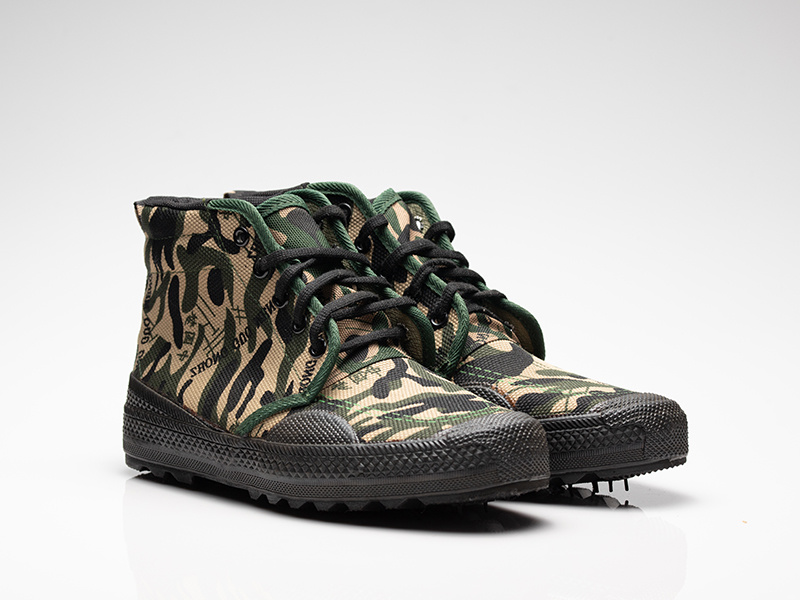
Military training anti-slip shoes are designed to provide superior grip and stability on various surfaces. They are typically constructed with durable materials that withstand harsh conditions, making them ideal for tactical training and outdoor exercises.
Why Proper Fit Matters
The fit of your shoes directly affects your performance. Shoes that are too tight can cause discomfort and blisters, while overly loose shoes may lead to instability and falls. Achieving the perfect fit is essential for maximizing your training effectiveness.
Factors to Consider When Choosing Shoe Size
1. Measuring Your Feet
Before making a purchase, it’s crucial to measure your feet accurately. Foot size can change over time due to various factors, including weight fluctuations and age. Here’s how to measure your feet properly:
Step-by-Step Measurement
- Gather Materials: You will need a ruler or measuring tape, a piece of paper, and a pen.
- Trace Your Foot: Place your foot on the paper and trace around it, ensuring the pen is held vertically.
- Measure Length and Width: Use the ruler to measure the longest and widest parts of your foot.
- Consult Size Charts: Compare your measurements to the manufacturer’s size chart for precise sizing.
2. Understanding Shoe Sizing Systems
Different brands may use various sizing systems, including US, UK, and EU sizes. Familiarizing yourself with these systems will help you select the right size. Most brands provide a conversion chart to assist with this process.
3. Consider Sock Thickness
The type of socks you wear can impact the fit of your shoes. For military training, thicker socks may offer additional cushioning and warmth. Ensure you account for sock thickness when selecting your shoe size.
4. Try Before You Buy
Whenever possible, try on shoes before purchasing. Walk around in them to assess comfort and fit. Pay attention to:
Key Fit Indicators
- Toe Box Space: Your toes should have enough room to wiggle without feeling cramped.
- Heel Fit: The heel should fit snugly without slipping.
- Midfoot Support: The shoe should provide adequate support without pinching.
5. Account for Foot Swelling
During prolonged physical activity, your feet may swell. It’s wise to try on shoes later in the day when your feet are at their largest to ensure a comfortable fit during training sessions.
Features to Look for in Military Training Anti-Slip Shoes
1. Anti-Slip Sole
The most critical feature of military training shoes is the anti-slip sole. Look for shoes with rubber or specialized traction patterns designed for various terrains.
2. Durability
Military training can be rigorous, so opt for shoes made from robust materials like synthetic leather or reinforced mesh. These materials offer longevity and resistance to wear and tear.
3. Breathability
Breathable shoes help keep your feet cool and dry during intense training. Look for shoes with mesh panels or moisture-wicking linings.
4. Cushioning and Support
Proper cushioning can significantly enhance comfort. Consider shoes with padded insoles and sufficient arch support, especially if you have flat or high-arched feet.
5. Weight and Flexibility
Lightweight and flexible shoes allow for better mobility and agility. Choose shoes that strike a balance between support and lightweight construction.
Common Sizing Mistakes to Avoid
1. Ignoring Brand Differences
Different brands may have unique sizing. Always refer to individual brand size charts instead of relying on a single size standard.
2. Choosing Fashion over Function
While aesthetics are important, functionality should never be compromised. Prioritize comfort and performance features over style.
3. Overlooking Foot Shape
Feet come in various shapes—narrow, wide, high-arched, or flat. Ensure the shoe accommodates your foot shape for optimal comfort.
FAQs About Choosing the Right Size for Military Training Anti-Slip Shoes
1. How do I know if I need a wider or narrower shoe?
If your shoes feel tight on the sides, you may need a wider fit. Conversely, if your heel slips, a narrower shoe may be appropriate.
2. Can I stretch my shoes if they are too tight?
While some shoes can be stretched, it’s preferable to choose the right size. Consult a professional cobbler for stretching options if necessary.
3. How often should I replace my training shoes?
It’s advisable to replace training shoes every 300-500 miles, or sooner if you notice decreased performance or comfort.
4. What should I do if one foot is larger than the other?
It’s common for one foot to be slightly larger. Purchase shoes based on your larger foot and consider using additional insoles for the smaller foot.
5. Are there specific brands recommended for military training shoes?
Brands like Salomon, Merrell, and Magnum are renowned for producing high-quality military training shoes. Always consult reviews and recommendations for the best options.
Conclusion
Choosing the right size for military training anti-slip shoes is essential for enhancing your performance and ensuring safety during rigorous activities. By understanding the factors that influence fit, exploring the features that contribute to comfort, and avoiding common sizing mistakes, you can select the perfect pair that meets your training needs. Remember, investing time in finding the right fit will pay off in improved comfort and performance during your military training endeavors.
Related news
Contact Us
Address: 012 Township Road, Wen County, Jiaozuo City, Henan Province