
A joint-stock enterprise specializing in the production and sales of cloth faced rubber shoes

- Home
- About Us
-
Products
Products
-
Official Mall
Official Mall

-
News Center
News Center

-
Qualifications
Qualifications

- Contact Us
- Language

All classifications
Are Your Work Shoes Up to the Task? A Comprehensive Guide to Anti-Slip Footwear
Classification :
Published time :
2026-04-26
Are Your Work Shoes Up to the Task? A Comprehensive Guide to Anti-Slip Footwear
Table of Contents
- Introduction: The Importance of Work Shoes
- Understanding Anti-Slip Footwear
- Benefits of Anti-Slip Shoes for Workers
- Key Features of Quality Work Shoes
- How to Choose the Right Anti-Slip Footwear
- Maintaining Your Work Shoes for Longevity
- Top Brands and Models of Anti-Slip Footwear
- Frequently Asked Questions
- Conclusion: Invest in Your Safety
Introduction: The Importance of Work Shoes
In various occupations, especially those involving physical labor or working in hazardous environments, the right footwear can make a significant difference. **Work shoes** are not just about style; they play a crucial role in ensuring safety and comfort throughout the day. Particularly, anti-slip footwear is essential for preventing accidents caused by slips, trips, and falls, which are among the most common workplace injuries. This guide aims to explore the significance of **anti-slip work shoes**, their features, benefits, and how to select the best option for your needs.
Understanding Anti-Slip Footwear
Anti-slip footwear is designed with specific features aimed at providing better traction and stability on slippery surfaces. Understanding how these shoes work and the technology behind them is key in making an informed decision.
Slip-Resistant Technology Explained
Slip-resistant shoes typically feature outsoles made from specialized rubber compounds that enhance grip. Additionally, their tread patterns are designed to channel liquids away from the sole, reducing the risk of slipping. Some shoes also incorporate unique technologies like **hydrophobic coatings** that repel water, further enhancing their slip-resistant properties.
Types of Anti-Slip Footwear
There are various types of anti-slip footwear available, including:
- **Safety Shoes:** Often reinforced with steel toes and slip-resistant outsoles, these are ideal for industrial environments.
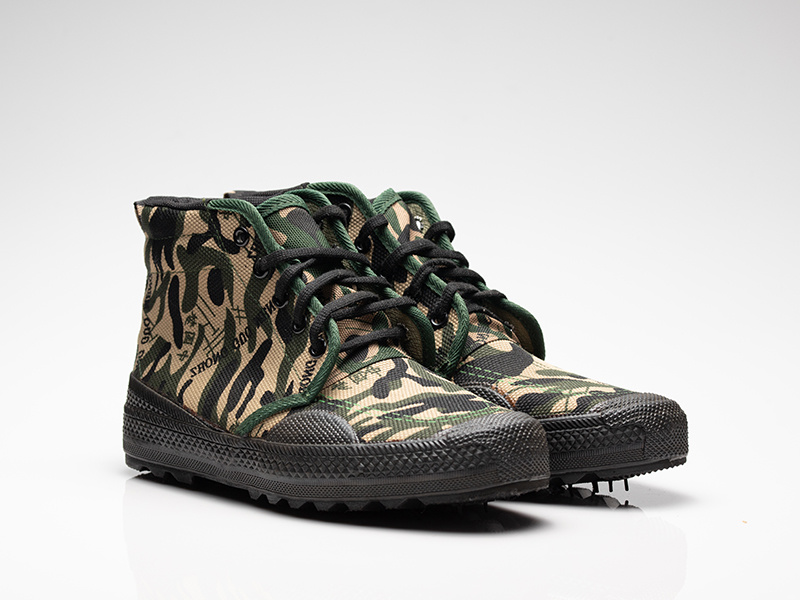
- **Work Boots:** Designed for heavy-duty use, providing ankle support and enhanced protection.
- **Athletic Shoes:** Lightweight and comfortable options for those in less hazardous settings but still require slip resistance.
Benefits of Anti-Slip Shoes for Workers
Wearing anti-slip footwear offers numerous advantages, both for the worker and the employer.
Enhanced Safety
The primary benefit is the enhanced safety they provide. Anti-slip shoes significantly decrease the risk of workplace accidents, leading to fewer injuries and a safer working environment.
Improved Comfort
Many anti-slip shoes are designed with comfort in mind, featuring cushioning and ergonomic designs that support prolonged wear. This comfort translates to better productivity as workers can focus on their tasks without discomfort.
Long-Term Savings
Investing in quality anti-slip footwear can lead to long-term savings for employers by reducing the number of workplace injuries and associated costs, such as insurance claims and lost productivity.
Key Features of Quality Work Shoes
When searching for the perfect anti-slip footwear, certain features should be prioritized to ensure optimal performance.
Material Selection for Durability
The materials used in the construction of work shoes can greatly affect their durability and effectiveness. Look for shoes made of:
- **Leather:** Offers durability and resistance to wear.
- **Synthetic Materials:** Lightweight and often water-resistant.
- **Mesh:** Provides breathability, making shoes more comfortable during long hours.
Sole Design for Optimal Grip
The sole's design is crucial for ensuring slip resistance. A deep tread pattern with varied angles can help channel liquids away from the shoe, providing better grip on wet or oily surfaces.
How to Choose the Right Anti-Slip Footwear
Selecting the right anti-slip shoes involves considering various factors that align with your work environment and personal needs.
Assess Your Work Environment
Start by evaluating the conditions of your workplace. Are you frequently on wet surfaces? Do you work in a kitchen or a manufacturing plant? Understanding your environment will guide you in choosing the right level of slip resistance.
Consider Comfort and Fit
Ensure that the shoes fit well and provide adequate cushioning. Ill-fitting shoes can lead to discomfort and injuries, undermining the purpose of wearing protective footwear.
Check for Certifications
Look for shoes that meet industry safety standards, such as those set by the American Society for Testing and Materials (ASTM). This ensures that the footwear has been tested for slip resistance and other safety features.
Maintaining Your Work Shoes for Longevity
Proper maintenance extends the life of your shoes and ensures they perform effectively.
Regular Cleaning
Keep your shoes clean to maintain their traction. Dirt and oil can build up on the soles, reducing their slip-resistant properties. Use a gentle brush and mild soap to clean the outsoles regularly.
Inspect for Wear and Tear
Regularly check your shoes for signs of wear, such as worn-out soles or damaged uppers. Replacing shoes when necessary can prevent accidents and ensure you always have optimal protection.
Top Brands and Models of Anti-Slip Footwear
Several brands are recognized for their high-quality anti-slip shoes. Here are some top picks:
1. Skechers Work
Known for their comfort and innovative slip-resistant technologies, Skechers offers a range of styles suitable for various workplaces.
2. Timberland PRO
Timberland PRO combines durability with safety, making them a favorite among industrial workers.
3. Crocs Professional
While often associated with casual wear, Crocs offers models designed for professional settings that provide comfort and slip resistance.
4. Dansko
Popular in healthcare settings, Dansko shoes are known for their arch support and slip-resistant outsoles.
5. Nike Safety Footwear
Nike has entered the safety footwear market with stylish designs that do not compromise on performance.
Frequently Asked Questions
1. What makes shoes slip-resistant?
Slip-resistant shoes are designed with specially formulated rubber outsoles and unique tread patterns that provide better traction on slippery surfaces.
2. Are anti-slip shoes comfortable for all-day wear?
Yes, many anti-slip shoes prioritize comfort features such as cushioning and ergonomic designs, making them suitable for all-day wear.
3. How do I clean my anti-slip shoes?
Regularly clean your shoes with a gentle brush and mild soap to remove dirt and grease from the soles.
4. How often should I replace my work shoes?
Monitor your shoes for signs of wear and tear, and replace them once you notice significant deterioration to prevent accidents.
5. Can I wear anti-slip shoes in different industries?
Yes, anti-slip footwear can be beneficial across various industries, including healthcare, food service, and industrial settings.
Conclusion: Invest in Your Safety
Choosing the right pair of anti-slip shoes is a critical step in creating a safer work environment. By understanding the features, benefits, and maintenance of quality work shoes, you can make informed decisions that enhance your safety and comfort on the job. Investing in reliable footwear not only protects you but also contributes to a more productive and accident-free workplace. Make the commitment to prioritize your well-being today and ensure your work shoes are truly up to the task.
Page up
Related news
Contact Us
Address: 012 Township Road, Wen County, Jiaozuo City, Henan Province