




A joint-stock enterprise specializing in the production and sales of cloth faced rubber shoes

Comprehensive Guide to Canvas Military Shoes

Comprehensive Guide to Canvas Military Shoes
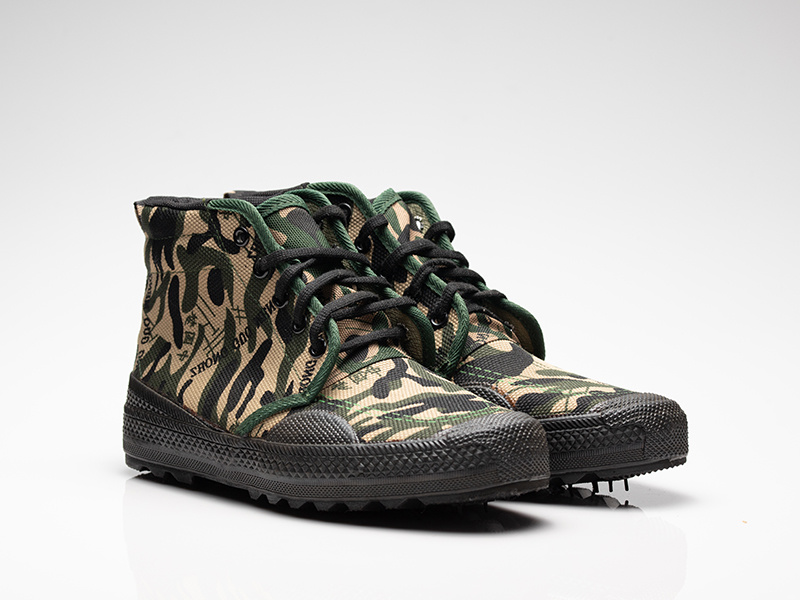
Canvas military shoes are durable, versatile footwear designed for military personnel, featuring a sturdy canvas construction and often incorporating features like lace-up fastening and padded insoles for comfort and support during rigorous activities.

Introduction

Types and Variations

Materials and Construction

Functionality and Comfort

Styling and Accessories

Care and Maintenance

Purchasing Guide

Environmental Impact

Faqs

Introduction

Introduction

History

Originating as a durable footwear option for soldiers, these shoes were designed to withstand harsh conditions while providing comfort and support. Initially crafted from robust canvas material and equipped with a strong rubber sole, they were ideal for a variety of terrains encountered in military operations. Over time, their practicality and resilience made them a staple in military apparel.

Evolution and Design Changes

The design of these shoes has undergone significant transformations to enhance their functionality and comfort. Innovations in materials and construction methods have led to lighter, more flexible, and breathable versions. The traditional high-top design has been adapted to include low-top variants, providing options for different preferences and requirements. Moreover, advancements in tread patterns have improved traction and stability, crucial for the demanding environments they are often used in.

Current Role in Fashion and Utility

Today, these shoes have transcended their military origins and have been embraced by various fashion trends. They are now available in a wide array of colors and designs, making them a versatile addition to casual wear. Despite this shift towards fashion, they have retained their utilitarian roots and are still favored for their durability and comfort. They are commonly used for outdoor activities, work environments requiring sturdy footwear, and by individuals who value their robustness and timeless style.

Types and Variations

Types and Variations

High-Top vs Low-Top Canvas Military Shoes

The distinction between high-top and low-top canvas military shoes primarily lies in the height of the shoe's upper. High-tops extend significantly above the ankle, providing additional support and protection, which can be beneficial in rugged terrains or when carrying heavy loads. They often feature a more robust lacing system to ensure a snug fit, which can be crucial for stability during activities that require quick movements or agility.

Low-top canvas military shoes, on the other hand, stop just below the ankle. This design offers greater flexibility and a lighter weight, making them suitable for situations that demand speed and ease of movement. The reduced material also allows for better breathability, which can be advantageous in hot weather conditions or during extended periods of wear.

Color Variations and Their Significance

Color variations in canvas military shoes are not merely a matter of aesthetics but often serve a functional purpose. Traditional colors such as olive green, tan, and black are designed to blend with various environments, from forested areas to desert landscapes. These colors are chosen based on the operational requirements and the need for camouflage in different settings.

Beyond the standard color schemes, some variations are designed for specific conditions. For instance, lighter colors can be more suitable for urban or desert environments, where they can help in reflecting sunlight and reducing heat absorption. Conversely, darker shades may be preferred in dense, wooded areas where they help in concealing the wearer's presence.

Special Editions and Collaborations

Special editions and collaborations often result in unique designs that incorporate various functional and aesthetic enhancements. These limited-run shoes can feature alterations in materials, such as water-resistant coatings or reinforced stitching for increased durability. Collaborations may also introduce innovative features, such as advanced sole designs for improved grip or the integration of breathable fabrics for comfort.

While these special editions are sometimes created to commemorate events or milestones, they can also be the result of partnerships aimed at merging functionality with contemporary fashion trends. This fusion can lead to the introduction of new colorways, patterns, or even complete redesigns that maintain the shoe's military heritage while appealing to a broader audience.

Materials and Construction

Materials and Construction

Canvas Material and Its Properties

Canvas is a heavy-duty, plain-woven fabric known for its durability and sturdiness. It is typically made from cotton or linen, although originally it was made from hemp. Its properties include high breathability, resistance to tearing, and the ability to withstand rough conditions. The tight weave of canvas not only provides substantial protection against the elements but also maintains a level of flexibility, which is crucial for comfort in footwear. Additionally, canvas is relatively easy to dye, allowing for a variety of color options.

Sole Composition and Traction

The sole of a shoe is critical for providing support, stability, and protection. In the context of military shoes, the sole is often made of rubber or a synthetic material that offers durability and grip. The tread pattern on the sole is designed to maximize traction on various terrains, including wet, muddy, or uneven surfaces. The composition of the sole is also designed to absorb shock and reduce foot fatigue, which is essential for individuals who spend long hours on their feet.

Durability and Maintenance

Durability is a key factor in the construction of military footwear. The combination of high-quality canvas and a robust sole ensures that the shoes can endure rigorous use. To maintain the longevity of the shoes, regular cleaning and proper care are recommended. This includes brushing off dirt and debris, washing the canvas with mild soap and water when necessary, and drying the shoes away from direct heat sources. Proper maintenance helps to preserve the material properties and the overall integrity of the shoes.

Functionality and Comfort

Functionality and Comfort

Breathability and Foot Health

The importance of breathability in footwear cannot be overstated, especially when considering prolonged periods of wear. Adequate airflow is essential to prevent the buildup of moisture, which can lead to bacterial growth and foot ailments. Materials used in the construction of the upper part of the shoe play a pivotal role in this aspect. A tightly woven fabric may hinder air circulation, whereas a more porous material will allow for better ventilation. Additionally, moisture-wicking linings can help to draw perspiration away from the skin, keeping feet dry and reducing the risk of blisters and fungal infections.

Support and Cushioning

Proper support and cushioning are critical for maintaining foot health and comfort, particularly during activities that involve significant walking or standing. The insole and midsole of the shoe are integral to providing this support. The insole should conform to the foot's contours, offering stability and reducing pressure points. The midsole, often made from foam or a similar shock-absorbing material, helps to mitigate the impact on the feet and joints. It is important that the cushioning is neither too soft, which may lack support, nor too firm, which could lead to discomfort.

Lacing Systems and Fit Adjustment

The lacing system of a shoe is not merely for keeping the footwear secure on the foot; it also plays a significant role in the overall fit and comfort. A well-designed lacing system allows for even distribution of pressure across the foot, can accommodate different foot shapes, and provides the ability to adjust the tightness as needed. Various lacing techniques can be employed to address specific fit issues, such as a high instep or narrow heel. The type of eyelets and the pattern of the lacing can also affect the ease of adjustment and the security of the fit.

Styling and Accessories

Styling and Accessories

Coordinating with Military Apparel

When integrating this type of footwear with military apparel, it's essential to consider the color and design uniformity. The rugged aesthetic of military wear pairs well with the sturdy nature of these shoes. To achieve a cohesive look, match the color of your shoes with one of the dominant colors in your military garments. For instance, if your attire features olive green, select shoes in a similar shade. Additionally, consider the practical aspects of military dressing, such as the need for mobility and comfort, and ensure your shoes complement these requirements.

Casual Wear Pairings

For a casual look, these shoes can be paired with a variety of everyday clothing items. Jeans, chinos, and shorts are all excellent choices. The key is to maintain a balance between the ruggedness of the shoes and the rest of your outfit. For a harmonious ensemble, opt for casual pieces with a slight edge, such as distressed denim or a leather jacket. Avoid overly formal attire as it can clash with the inherently casual nature of the shoes.

Customization Options

Customizing your footwear allows for personal expression and can make a standard pair of shoes unique. Consider adding patches, changing the laces, or even painting designs onto the canvas. When customizing, use materials that are durable and suitable for the fabric. If sewing patches, ensure they are securely attached to withstand wear and tear. For painting, use fabric paints and sealants that are designed to flex with the material to prevent cracking. Always test customization techniques on a less visible area before applying them to the entire shoe.

Care and Maintenance

Care and Maintenance

Cleaning Techniques

To ensure your footwear remains in good condition, regular cleaning is essential. Begin by removing any excess dirt with a soft-bristled brush, taking care not to damage the material. Prepare a mixture of warm water and mild soap. Dip a clean cloth into the solution and gently wipe the shoes. For stubborn stains, use a soft-bristled toothbrush to scrub lightly. Rinse with a damp cloth to remove any soap residue. Allow the shoes to air dry naturally, away from direct heat sources.

Storage Solutions

Proper storage is key to maintaining the shape and fabric of your footwear. Store them in a cool, dry place away from sunlight which can fade the material. Avoid storing them in plastic bags which can trap moisture and lead to odor or mildew. Instead, use a breathable fabric bag or a shoebox with air holes. Insert shoe trees or stuff the shoes with paper to help retain their shape.

Longevity Tips

To maximize the lifespan of your footwear, alternate between pairs to give them time to air out. Apply a fabric protector spray to guard against stains and water damage. Avoid machine washing or drying as this can lead to warping or fading. If the shoes get wet, let them dry naturally, stuffed with paper to absorb moisture and maintain shape. Regularly check for and repair any minor damages before they become major issues.

Purchasing Guide

Purchasing Guide

Sizing and Fit

When selecting footwear, ensuring the correct size and fit is paramount for comfort and functionality. It is recommended to measure your feet later in the day when they are at their largest. Consider the socks you will wear with the shoes, as thick socks can require a larger size. Look for size charts that can guide you in matching your foot measurements to the appropriate shoe size. Try on multiple sizes if possible, and walk around to ensure there is enough room for your toes and that there is no excessive rubbing or pinching, which can lead to blisters.

Identifying Authenticity

To ensure the authenticity of the footwear, examine the quality of the materials and craftsmanship. Authentic shoes will typically have even stitching, high-quality fabric, and sturdy soles. Check for any misspellings or incorrect logos, as these can be indicators of counterfeit products. Additionally, authentic shoes will often come with proper packaging and documentation that can further verify their legitimacy.

Where to Buy

Footwear can be purchased from a variety of outlets including specialized stores, department stores, and online marketplaces. Specialized stores often provide expert advice and a curated selection, while department stores may offer a wide range of brands. Online marketplaces can provide convenience and competitive pricing, but it is important to verify the seller's reputation and return policy before making a purchase. Reading customer reviews can also provide insight into the fit and quality of the product.

Environmental Impact

Environmental Impact

Sustainability in Production

The production of textiles for footwear has significant environmental implications, including water consumption, chemical use, and carbon emissions. Sustainable production practices aim to minimize these impacts by implementing eco-friendly materials, reducing waste, and conserving natural resources. This involves the use of organic cotton, which reduces pesticide use, and the adoption of closed-loop water systems to decrease water waste. Energy efficiency is also a key factor, with a shift towards renewable energy sources in manufacturing processes to lower the carbon footprint.

Recycling and Upcycling

Recycling involves breaking down used materials into their base substances to be remade into new products, while upcycling transforms waste materials into higher quality products. In the context of footwear, recycling can be seen in the repurposing of rubber soles or the melting down of synthetic fabrics for reuse. Upcycling, on the other hand, may involve creatively reusing canvas and other materials to craft new, unique pairs of shoes. These practices contribute to a circular economy, reducing the need for new raw materials and diverting waste from landfills.

Eco-Friendly Alternatives

Eco-friendly alternatives to traditional footwear materials are gaining popularity as a means to reduce environmental impact. Biodegradable materials, such as plant-based leathers and natural rubber, are being explored to create compostable products. Additionally, the use of recycled plastics in the production of shoe components helps to address the issue of plastic waste. These alternatives not only provide sustainable options for consumers but also promote biodiversity and reduce pollution.

Faqs

Frequently Asked Questions

What are the benefits of wearing this type of footwear?

These shoes are known for their durability, breathability, and comfort. They are designed to withstand tough conditions while providing support and protection for the feet. The canvas material allows for air circulation, which helps in keeping the feet cool in hot environments. Additionally, they are often lightweight, making them suitable for long periods of wear.

How do I ensure the best fit for my footwear?

To ensure the best fit, measure your feet at the end of the day when they are at their largest. Try the shoes on with the type of socks you'll be wearing with them. Make sure there is enough room to wiggle your toes and that there is no pinching or discomfort. The shoes should fit snugly but not be too tight.

Can these shoes be worn in all types of weather?

While they are versatile, they may not be suitable for extreme weather conditions. In wet conditions, they can become heavy and may take a long time to dry. In very cold conditions, they may not provide sufficient insulation. It is important to consider the weather and environment before wearing them.

How do I clean my footwear without damaging them?

To clean them, remove excess dirt with a brush or cloth. Create a mixture of warm water and mild detergent, and gently scrub the canvas with a soft brush. Rinse with clean water and allow them to air dry away from direct heat sources. Do not use bleach or harsh cleaning agents as they can damage the material.

Are these shoes suitable for hiking or outdoor activities?

They are suitable for light hiking and outdoor activities. They provide good traction and are comfortable for walking. However, for more rigorous hiking, shoes with more ankle support and sturdier soles may be required.

What is the average lifespan of a pair of these shoes?

The lifespan depends on the frequency of use and the conditions they are exposed to. With regular use and proper care, they can last several years. However, harsh conditions and heavy use can reduce their lifespan.

How can I tell if my footwear is authentic?

Authenticity can be verified by checking the quality of the materials, the construction of the shoe, and the details of the design. Often, authentic shoes will have a label or stamp indicating the brand and model. Be wary of products sold at significantly lower prices than the average market price.

Are there vegan options for these shoes?

Yes, there are vegan options available that do not use any animal products in their construction. These options use synthetic or plant-based materials that mimic the properties of traditional materials.

Can I customize my footwear?

Some brands offer customization options for their shoes. This can include choosing different colors, materials, or even adding personal text or images. Check with the manufacturer to see if they offer these services.

What should I do if my footwear gets wet?

If they get wet, it is important to let them dry naturally away from direct heat sources. Remove any insoles and laces and stuff the shoes with paper to help absorb moisture and maintain their shape. Do not attempt to speed up the drying process with a hairdryer or radiator as this can damage the material.

none