




A joint-stock enterprise specializing in the production and sales of cloth faced rubber shoes

Comprehensive Guide to Army Green Canvas Shoes

Comprehensive Guide to Army Green Canvas Shoes
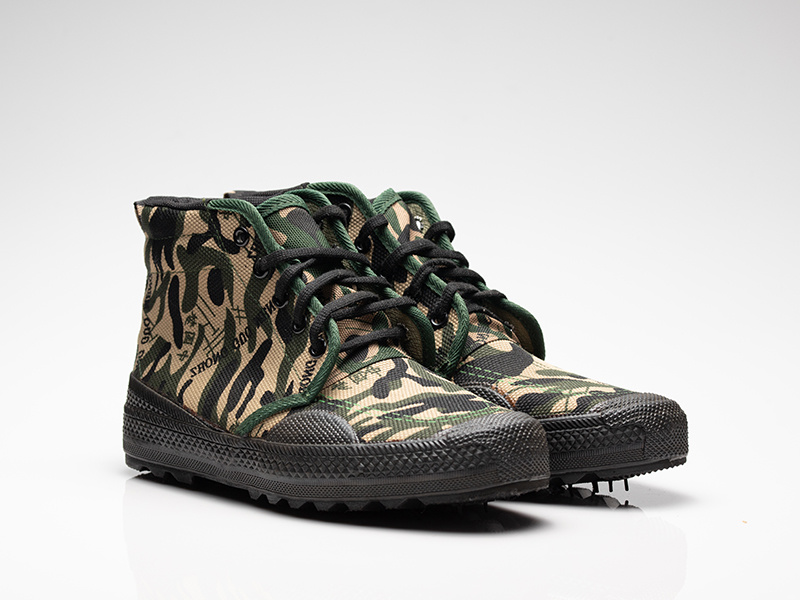
"Army jungle shoes are specialized footwear designed for military use in tropical, rugged environments providing optimal traction and durability."

Introduction

Types and Styles

Material and Construction

Maintenance and Care

Fashion and Styling

Comfort and Fit

Performance and Usage

Shopping Guide

Faqs

Introduction

Introduction

History of Canvas Shoes

Canvas shoes, known for their durability and comfort, originated in the early 19th century. Initially, they were designed as athletic footwear, particularly for tennis and basketball players. The upper part of these shoes was made from canvas, a sturdy fabric capable of withstanding the wear and tear of sports activities. The soles were created from vulcanized rubber, providing flexibility and grip. Over time, these shoes transitioned from sports equipment to casual wear due to their comfort and ease of maintenance. Their simple design and affordability contributed to their widespread adoption across various demographics.

Popularity of Army Green Color

The army green color has been a staple in fashion for many decades. Its origins can be traced back to military uniforms where the color was used for its camouflage properties. The utilitarian aspect of the color made it synonymous with durability and ruggedness, traits that resonated with the general public. As a result, army green found its way into mainstream fashion, including footwear. The color's versatility allows it to be paired with a wide range of outfits, making it a popular choice for canvas shoes. Its association with the outdoors and adventure also appeals to those looking to add a touch of robustness to their style.

Types and Styles

Types and Styles

High-Tops vs Low-Tops

High-top canvas shoes extend slightly over the wearer's ankle, providing additional support and a bit of extra warmth. They are often chosen for their unique style and the stability they offer, making them a popular choice for more active pursuits. Low-top canvas shoes, on the other hand, stop just below the ankle and are preferred for casual wear due to their lightweight design and ease of movement. Both high-tops and low-tops can be versatile in terms of fashion, pairing well with a variety of outfits.

Lace-Ups vs Slip-Ons

Lace-up canvas shoes feature laces that can be tied to secure the shoe to the foot. This style allows for a customizable fit, as the laces can be tightened or loosened as needed. Slip-on canvas shoes do not have laces and are designed to be easily put on or taken off. They often have elastic inserts on the sides of the vamp to ensure a snug fit. While lace-ups offer a more secure fit, slip-ons provide convenience and ease for users who prefer a quick and effortless option.

Unisex Designs

Unisex canvas shoes are designed to be suitable for all genders. They typically feature a neutral design with a wide range of sizes to accommodate different foot shapes and sizes. The versatility of unisex styles makes them a practical choice for anyone looking for a simple, yet fashionable shoe that can be worn on various occasions.

Kids and Adult Sizes

Canvas shoes are available in a full range of sizes for both children and adults. Kids' sizes are often designed with additional durability to withstand the rigors of play, and may come with Velcro straps for ease of use. Adult sizes offer a wider variety of styles and may include features such as arch support and extra cushioning to provide comfort for longer periods of wear.

Material and Construction

Material and Construction

Canvas Fabric Quality

The quality of canvas fabric is pivotal in determining the durability, comfort, and overall performance of the shoes. High-grade canvas is typically tightly woven and made from cotton or a cotton blend, which ensures breathability and flexibility. The density of the weave affects the shoe's ability to withstand wear and tear, as well as its capacity to hold the dye, which is crucial for maintaining the color integrity over time.

Sole Materials

The sole is the foundation of any shoe and plays a significant role in comfort and traction. Common materials for soles include rubber, PVC, and ethylene-vinyl acetate (EVA), each offering different levels of cushioning, weight, and flexibility. Rubber soles are often favored for their durability and slip resistance, making them a practical choice for everyday wear.

Stitching and Durability

Stitching not only contributes to the aesthetic of the shoe but also to its structural integrity. Double or triple stitching can be used to reinforce areas prone to stress, such as the toe and heel. The thread material, typically nylon or polyester, should be strong and resistant to fraying. Proper stitching techniques ensure that the shoe remains intact and functional through various activities.

Eco-Friendly Options

As environmental awareness increases, eco-friendly options for shoe construction have become more prevalent. These include the use of organic cotton for the canvas, recycled materials for the soles, and non-toxic dyes. Such practices not only minimize the environmental footprint but also cater to consumers who prioritize sustainability in their purchasing decisions.

Maintenance and Care

Maintenance and Care

Cleaning Techniques

To maintain the quality of canvas shoes, regular cleaning is essential. Begin by removing any excess dirt with a soft-bristled brush. Prepare a mixture of warm water and mild detergent. Dip a cloth or soft brush into the solution and gently scrub the canvas. Rinse with clean water and wipe off any soap residue. For tougher stains, a specialized canvas cleaner can be used. Avoid using harsh chemicals or bleach as they can damage the fabric.

Stain Removal

For stain removal, act quickly to prevent the stain from setting. Apply a paste made from baking soda and water directly onto the stain and let it sit for a few minutes. Brush away the paste and assess the stain. If it persists, consider using a stain remover designed for canvas material. Test the product on a small, inconspicuous area first to ensure it does not discolor the fabric.

Drying and Storage

After cleaning, air dry the shoes at room temperature away from direct sunlight, which can fade the color. Do not use a direct heat source like a hairdryer as it can warp the shape and damage the material. Store the shoes in a cool, dry place, and avoid stacking them under heavy items to maintain their form. Use shoe trees or stuff them with paper to help retain their shape while not in use.

Longevity Tips

To extend the life of your canvas shoes, apply a fabric protector spray after each cleaning. This will help repel water and stains. Rotate your shoes regularly to allow them to air out and reduce wear and tear. Avoid wearing the same pair on consecutive days. Finally, address any small rips or loose threads immediately to prevent further damage.

Fashion and Styling

Fashion and Styling

Coordinating Outfits

When incorporating this type of footwear into an outfit, consider the color palette. These shoes provide an earthy, neutral base that can complement a variety of colors. For a harmonious look, pair them with other neutral shades or earth tones. For a more vibrant outfit, use them as a grounding element to balance brighter colors. The key is to create a cohesive look where the shoes act as a subtle statement piece without overpowering the rest of the attire.

Accessorizing

Accessories can make or break an outfit. To accessorize with these shoes, opt for items that echo the casual and rugged vibe. Leather belts, canvas bags, and simple, understated jewelry work well. Avoid overly flashy or formal accessories that could clash with the laid-back aesthetic of the shoes. Instead, focus on textures and materials that complement the canvas and the unique color of the footwear.

Celebrity Influences

Celebrities often set trends with their unique styles. While we won't name specific individuals, it's common to see casual footwear being sported by celebrities in a variety of settings. They might be paired with casual, everyday outfits or used as a contrast to more formal attire for a statement look. Observing how various styles are put together by fashion-forward personalities can provide inspiration for how to wear these shoes in innovative ways.

Comfort and Fit

Comfort and Fit

Sizing Guide

The correct shoe size is paramount for comfort. To ensure the best fit, measure the foot's length from heel to toe while standing. Compare this measurement with the brand's sizing chart. Remember that sizes may vary slightly between brands. It's also important to consider the width of the shoe, as some individuals may require a wider fit for optimal comfort.

Breaking In New Shoes

New canvas shoes may feel stiff at first. To break them in, wear them for short periods around the house. Gradually increase the wearing time to allow the canvas to soften and mold to the shape of your feet. If necessary, use a shoe stretcher or stuff the shoes with damp newspaper overnight to gently stretch the material.

Arch Support and Cushioning

Proper arch support is crucial to prevent foot fatigue and pain. Look for shoes with a built-in arch support or consider adding orthotic insoles for additional comfort. Cushioning is also important, especially in the insole and around the collar of the shoe, to absorb impact and provide a soft barrier between the foot and the hard ground.

Breathability and Ventilation

Canvas shoes should offer adequate breathability to keep feet cool and dry. Look for features such as perforations, breathable fabrics, and moisture-wicking linings. These features help to prevent the buildup of sweat and odor, ensuring a more comfortable experience, especially in warmer climates or during extended wear.

Performance and Usage

Performance and Usage

Athletic vs Casual Wear

When considering footwear for athletic purposes, it is essential to evaluate the design and construction of the shoe. Athletic shoes are typically designed with specific activities in mind, offering additional support, cushioning, and stability to accommodate the rigors of sports and exercise. In contrast, casual wear shoes prioritize comfort and style for everyday use. They may not provide the same level of support or durability required for athletic activities. The choice between athletic and casual wear should be based on the intended use, with attention to the shoe's construction, sole design, and material flexibility.

Terrain Suitability

The suitability of shoes for different terrains is a critical factor in performance. Shoes designed for flat, even surfaces may not offer the same grip or protection as those intended for rugged, uneven terrain. The tread pattern, sole hardness, and overall structure of the shoe contribute to its effectiveness on various terrains. For outdoor activities or uneven surfaces, a shoe with a more aggressive tread pattern and durable construction is recommended. Conversely, for indoor or flat surfaces, a shoe with a less pronounced tread and more flexibility may be preferable.

Weather Resistance

Weather resistance is an important aspect of shoe performance, particularly for outdoor use. Shoes with weather-resistant properties, such as water repellency or insulation, can protect against environmental elements like rain, mud, and cold temperatures. Materials such as treated canvas or inclusion of a waterproof membrane can enhance the shoe's ability to withstand adverse weather conditions. However, breathability is also a factor to consider, as shoes that offer high weather resistance may also limit airflow, leading to discomfort in warmer conditions.

Travel and Walking

For travel and extended periods of walking, shoes should provide comfort, support, and durability. Key features to look for include cushioned insoles, arch support, and flexible yet sturdy soles. The weight of the shoe is also a consideration; lighter shoes can reduce fatigue over long distances. Additionally, the ease of cleaning and maintenance should be considered, as shoes used for travel may be subjected to various conditions and need to be cleaned frequently. A balance between comfort, support, and practicality is essential for shoes intended for travel and walking.

Shopping Guide

Shopping Guide

Price Comparison

When considering the purchase of canvas shoes, it's essential to compare prices across various retailers. Factors that can affect the price include the quality of the material, the brand, and the retailer's pricing strategy. Utilize price comparison websites and tools to track the cost of the shoes over time, as prices can fluctuate due to sales and promotions. Be mindful of additional costs such as shipping fees when comparing prices online.

Online vs In-Store Shopping

Deciding whether to buy shoes online or in-store depends on personal preference and priorities. Online shopping offers convenience and the ability to easily compare prices and styles. However, the inability to try on the shoes before purchasing can be a drawback. In contrast, in-store shopping allows for immediate try-on and purchase, but may have a limited selection compared to online inventories. Consider the return policy and the immediacy of the need when making a decision.

Customer Reviews

Customer reviews are a valuable resource when shopping for shoes. They provide insights into the comfort, durability, and fit of the shoes from people who have already made a purchase. Look for patterns in reviews to gauge common issues or points of satisfaction. Be aware that not all reviews are genuine, and some may be biased or manipulated. Use reviews as one of several factors in making an informed decision.

Return Policies

Understanding the return policy of the retailer is crucial when purchasing shoes. Policies vary widely, with some retailers offering free returns and exchanges, while others may charge restocking fees or only offer store credit. Check the time frame for returns, as some retailers have strict limits, and consider the convenience of the return process. Online purchases may require shipping items back, while in-store purchases can often be returned directly to the store.

Faqs

Frequently Asked Questions

How to choose the right size?

To ensure a proper fit, measure your feet at the end of the day when they are at their largest. Compare your foot measurement with the brand's size chart. Consider the width as well as the length, and remember that sizes can vary slightly between brands.

Can they be machine washed?

Most canvas shoes can be machine washed on a gentle cycle with cold water. Remove the laces and use a mild detergent. Air dry the shoes away from direct heat or sunlight to prevent shrinking and fading.

Are there waterproof options available?

While traditional canvas is not waterproof, some brands offer treated canvas that repels water. Look for shoes labeled as water-resistant or waterproof. Alternatively, you can apply a waterproofing spray designed for canvas material.

How to tie laces for a secure fit?

For a secure fit, use the crisscross lacing method, ensuring each cross is tight. Double-knot the laces to prevent them from coming undone. For additional support, use the "lace lock" or "heel lock" technique by threading the laces through the top eyelets twice before tying.

What to do if they get wet?

If your shoes get wet, stuff them with paper towels or a towel to absorb moisture and maintain their shape. Allow them to air dry away from direct heat. Do not use a hair dryer or place them near a heater, as this can damage the material.

How often should they be replaced?

Replace your shoes when you notice significant wear on the soles, sides, or if they start to feel uncomfortable. On average, with regular use, they may need to be replaced every 6 to 12 months.

Can orthotic insoles be used?

Yes, most canvas shoes have removable insoles that can be replaced with orthotic insoles. Ensure the insoles fit properly and do not cause the shoes to become too tight, which can lead to discomfort.

Are they suitable for hiking?

Canvas shoes are not typically designed for hiking. They lack the necessary support, traction, and durability required for rough terrain. For hiking, choose shoes specifically designed for outdoor trails.

How to remove odors?

To remove odors, sprinkle baking soda inside the shoes and let it sit overnight. In the morning, tap out the excess baking soda. You can also place activated charcoal sachets or cedar shoe inserts inside the shoes when not in use.

What are some eco-friendly brands?

Look for brands that use sustainable materials such as organic cotton or recycled materials. Brands that have a transparent supply chain and practice ethical manufacturing processes are also considered eco-friendly.

none