




A joint-stock enterprise specializing in the production and sales of cloth faced rubber shoes

Comprehensive Guide to Liberation Shoes

Comprehensive Guide to Liberation Shoes
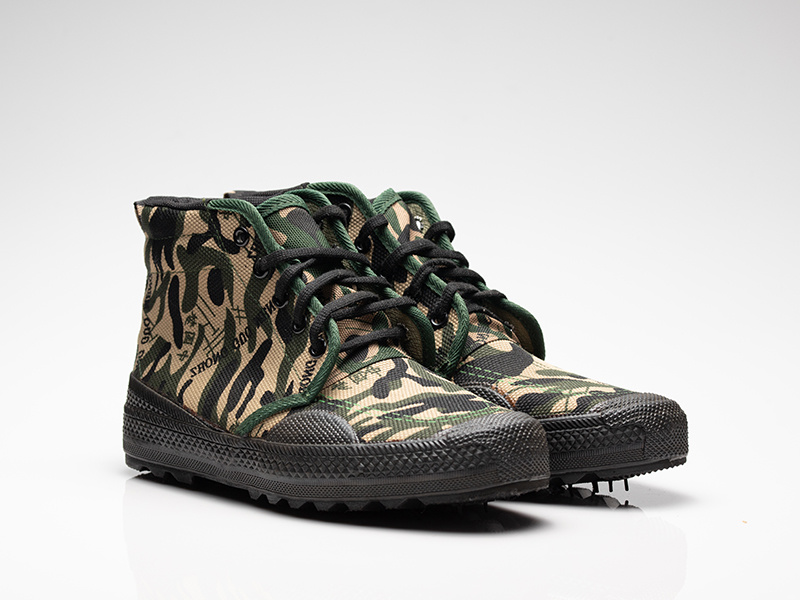
"Liberation Shoes" were a type of simple, practical footwear widely worn in China during the revolutionary era, symbolizing equality and the liberation of the masses from traditional constraints

Introduction

Types and Variations

Materials and Construction

Functionality and Comfort

Styling and Fashion

Purchasing Guide

Usage and Care

Social and Ethical Aspects

Faqs

Introduction

Introduction

History and Origin

The origins of this type of footwear can be traced back to the mid-20th century, designed initially for military use. They were engineered to provide soldiers with durable, reliable, and comfortable footwear suitable for various terrains and rigorous activities. The design was focused on practicality and efficiency, which made them an essential part of military gear.

Design Evolution

Over the years, the design of these shoes has undergone significant changes to adapt to the evolving needs of its wearers. Initially crafted with a simple and functional design, they have since incorporated advancements in materials and technology. Modern versions may feature improved cushioning, enhanced grip, and lighter materials, while still maintaining the original robustness and utility.

Cultural Significance

The cultural impact of these shoes extends beyond their military use. They have been adopted by various subcultures and movements, becoming a symbol of resilience and a statement piece. Their practicality has also led to their use in various civilian applications, making them a versatile choice for both work and casual wear. The design has become iconic, influencing fashion and footwear trends globally.

Types and Variations

Types and Variations

Military Versions

The military versions of these shoes are designed for durability and functionality. They are typically made with robust materials such as thick leather or canvas and are equipped with heavy-duty soles to withstand harsh conditions. The design often includes reinforced stitching and metal eyelets to ensure longevity. These shoes are also characterized by their practicality, offering comfort and support during long periods of wear. They may come in various patterns and colors to match military uniforms and are often designed to meet specific military standards and requirements.

Civilian Adaptations

Civilian adaptations of these shoes take inspiration from the original military design but are tailored for everyday use. The materials used may be lighter and more varied, including synthetic fabrics for increased comfort and style. These adaptations often maintain the rugged aesthetic of the military versions but incorporate more fashion-forward elements and a wider range of colors and designs. They are popular for their combination of style and practicality, making them suitable for casual wear as well as outdoor activities.

Special Editions

Special editions are often released as limited-time offers, featuring unique designs, materials, or collaborations. These editions can include commemorative designs, paying homage to historical events or anniversaries. They may also incorporate advanced materials or technologies for enhanced performance or comfort. Special editions are typically marketed towards collectors and enthusiasts, often carrying a higher price point due to their limited availability and unique features.

Materials and Construction

Materials and Construction

Commonly Used Materials

The choice of materials for manufacturing footwear is critical for comfort, durability, and functionality. Materials commonly used include natural leather, which offers breathability and flexibility; synthetic leather, which provides water resistance and ease of cleaning; canvas, known for its lightweight and breathable nature; and rubber for soles due to its grip and durability. Additionally, various textiles can be used for the inner lining to enhance comfort and moisture-wicking properties.

Construction Techniques

Footwear construction involves several techniques to assemble the upper part of the shoe to the sole. The most prevalent methods include cementing, where glue is used to bond the sole to the upper; stitching, which can be done by hand or machine and provides a high level of durability; and vulcanization, a process involving heat to fuse the sole to the upper, commonly used in rubber shoes. Each technique has its own set of advantages and is chosen based on the desired properties of the final product.

Durability and Maintenance

The longevity of footwear is influenced by the materials used and the construction techniques. Proper maintenance can significantly extend the life of the shoes. This includes regular cleaning, using appropriate products for different materials, and allowing shoes to air out to prevent moisture buildup. Repairing minor damages promptly, such as replacing worn-out soles or re-stitching loose seams, can also preserve the shoe's structure and functionality.

Functionality and Comfort

Functionality and Comfort

Ergonomic Features

The design of these shoes takes into account the natural shape and movement of the foot to provide support where it's needed most. Key ergonomic features include a contoured footbed, which aligns with the natural curves of the foot to reduce strain on the arch and heel. The sole is often designed with a rocker bottom that promotes a natural gait cycle, reducing fatigue and improving posture. Additionally, the toe box is roomy to prevent cramping and allow for toe movement, which is essential for balance and proper gait.

Size and Fit

Proper size and fit are crucial for comfort and function. These shoes are available in a range of sizes and widths to accommodate different foot shapes. It is important to measure both feet and fit the shoe to the larger foot, as most people have one foot slightly larger than the other. The fit should be snug but not tight, with about a thumb's width of space between the end of the longest toe and the front of the shoe to allow for foot expansion during the day and to prevent blisters or pressure points.

Breathability and Insulation

The materials used in the upper construction are chosen for their breathability to ensure moisture and heat management, keeping the feet dry and comfortable in various conditions. Mesh panels or perforations allow for air circulation, while moisture-wicking linings help to draw sweat away from the skin. For colder environments, insulation is key. Materials that trap heat and provide a barrier against the cold are used without compromising breathability, ensuring that the feet stay warm and dry without overheating.

Styling and Fashion

Styling and Fashion

Styling Tips

When it comes to integrating these shoes into your style, consider the balance of your outfit. The key is to let them stand out without overwhelming your look. Opt for simple, streamlined clothing items to complement their unique design. For a casual look, pair them with slim-fit jeans and a plain t-shirt. For a more put-together ensemble, try wearing them with chinos and a button-up shirt. Remember, the goal is to create harmony between your clothes and your footwear.

Accessorizing

Accessories can make or break an outfit. When wearing these shoes, choose accessories that echo their utilitarian roots. Think leather belts, canvas bags, or metal jewelry. However, ensure that the accessories do not compete for attention but rather complement the overall outfit. Stick to a color palette that matches or subtly contrasts with your footwear for a cohesive look.

Incorporating into Modern Wardrobe

These shoes can be surprisingly versatile. To incorporate them into a modern wardrobe, consider them as a statement piece. They can be paired with contemporary clothing items such as bomber jackets, cropped trousers, or even midi skirts for a contrast between the old and new. The juxtaposition of different styles can create a visually interesting and modern aesthetic. Play with proportions and textures to find the right balance for your personal style.

Purchasing Guide

Purchasing Guide

Where to Buy

When looking to purchase this type of footwear, it's important to consider various retail options to find the best deal and selection. They can be found in both physical stores and online marketplaces. Physical stores may offer the advantage of trying them on for fit and comfort, while online stores often provide a wider range of styles and sizes. It's recommended to read reviews and check store ratings before making a purchase to ensure a reputable source.

Price Range

The price of these shoes can vary widely based on factors such as brand, quality, and where they are purchased. Generally, they can range from relatively affordable to more premium pricing for high-end versions. It's advisable to set a budget before shopping and compare prices across different sellers. Keep an eye out for discounts, sales, and special offers that may be available throughout the year.

Checking Authenticity

Ensuring the authenticity of the shoes is crucial. Look for specific markers of authenticity, such as material quality, stitching details, and brand-specific identifiers. It's also wise to familiarize oneself with the common characteristics of genuine products. If purchasing online, ask the seller for proof of authenticity, such as certificates or receipts. Be wary of deals that seem too good to be true, as they may be indicative of counterfeit products.

Usage and Care

Usage and Care

Breaking In New Shoes

When acquiring new footwear, it's essential to break them in to prevent discomfort and blisters. Start by wearing the shoes for short periods around the house, gradually increasing the time as they begin to mold to the shape of your feet. Consider wearing thick socks to protect your feet and expedite the stretching process. If tight spots are identified, shoe stretchers or specific stretching sprays can be used to target these areas. It's important to take this process slowly to ensure the shoes conform comfortably to your feet without causing damage to the material.

Cleaning and Care

Maintaining the cleanliness and condition of your shoes will extend their lifespan and appearance. Remove any dirt or debris after each use with a soft brush or cloth. For a deeper clean, use a mild soap and water solution, applying it gently with a cloth or sponge. Avoid submerging the shoes in water or placing them in a washing machine, as this can damage the material. After cleaning, let the shoes air dry naturally away from direct heat sources. To maintain the shape, insert shoe trees or stuff the insides with paper. Conditioning the material with appropriate products can prevent cracking and keep the shoes supple.

Long-term Storage

When storing shoes for an extended period, it's crucial to prepare them properly to prevent damage. Clean the shoes thoroughly before storage and ensure they are completely dry to prevent mold and mildew growth. Stuff the shoes with acid-free tissue paper to help retain their shape. For best results, store them in a breathable shoe bag or box to protect them from dust and moisture. Keep the storage area cool, dry, and away from direct sunlight to avoid material degradation. Periodically check on the shoes during storage and consider placing silica gel packets inside the storage container to absorb any excess moisture.

Social and Ethical Aspects

Social and Ethical Aspects

Ethical Manufacturing

Ethical manufacturing in the context of footwear production involves the adherence to fair labor practices, ensuring that workers are provided with a safe working environment, fair wages, and reasonable working hours. It also encompasses the prohibition of child labor and forced labor. Companies are increasingly being held accountable for their supply chain practices, with transparency becoming a key factor in consumer decision-making. Ethical manufacturing not only protects workers but also helps in building trust and loyalty with consumers who are concerned about the origins of the products they purchase.

Environmental Impact

The environmental impact of footwear production is significant, with concerns ranging from the depletion of natural resources to the pollution generated during manufacturing processes. The use of sustainable materials, eco-friendly production methods, and waste reduction strategies are critical in minimizing the ecological footprint. Recycling and upcycling of materials can also contribute to environmental sustainability. Companies are exploring innovative solutions to reduce water usage, energy consumption, and greenhouse gas emissions in their production lines.

Social Responsibility

Social responsibility in the footwear industry extends beyond the factory walls. It includes community engagement, charitable contributions, and initiatives that support education and development in regions where footwear production is a significant industry. Companies can play a pivotal role in improving the quality of life for communities by investing in local infrastructure, healthcare, and social programs. Additionally, fostering a culture of respect and equality within the industry contributes to a more positive societal impact.

Faqs

Faqs

What are liberation shoes?

Liberation shoes are a type of military footwear that was originally designed and issued to soldiers during times of war. They are characterized by their durability, simplicity, and comfort. Typically made from canvas with rubber soles, these shoes were made to withstand harsh conditions and provide support for soldiers on the move.

How do I determine the right size for liberation shoes?

To determine the right size for liberation shoes, it is recommended to measure the length of your foot in centimeters or inches and refer to the manufacturer's size chart. It is important to consider the socks you will be wearing with the shoes for a proper fit. If possible, try on the shoes to ensure comfort and proper fit before purchasing.

Can liberation shoes be worn in all types of weather?

Liberation shoes are designed to be durable and can be worn in a variety of weather conditions. However, they may not provide the same level of protection and insulation as specialized footwear designed for extreme weather. It is advisable to treat the canvas with waterproofing sprays for better performance in wet conditions.

Are there any modern adaptations of liberation shoes?

Yes, there are modern adaptations of liberation shoes that incorporate contemporary design elements and materials for improved comfort and style. These adaptations may include enhanced cushioning, arch support, and a variety of colors and patterns to suit modern tastes.

How should I care for my liberation shoes?

To care for liberation shoes, keep them clean by brushing off dirt and debris. Canvas can be cleaned with a mild soap and water solution. Avoid exposing the shoes to excessive heat to prevent damage to the rubber soles. Allow the shoes to air dry naturally. Store them in a cool, dry place to prevent mold and mildew growth.

What is the average price range for a pair of liberation shoes?

The average price range for a pair of liberation shoes can vary depending on the brand, materials used, and the place of purchase. Generally, they are considered to be an affordable footwear option compared to other types of shoes.

Where can I purchase authentic liberation shoes?

Authentic liberation shoes can be purchased from military surplus stores, online retailers specializing in military gear, and some shoe stores that offer vintage or military-style footwear.

What are the signs of wear and when should I replace my shoes?

Signs of wear include thinning of the sole, holes or tears in the canvas, and detachment of the sole from the upper part of the shoe. It is recommended to replace your shoes when they no longer provide adequate support or protection, or when they become uncomfortable to wear.

Are liberation shoes considered fashionable today?

Liberation shoes have seen a resurgence in popularity as a fashion statement, often appreciated for their vintage and classic look. They can be paired with a variety of casual outfits and are appreciated for their versatility and timeless style.

Can liberation shoes be customized?

Yes, liberation shoes can be customized with different colors, patterns, and even personal artwork. Some companies offer customization services, or individuals can undertake DIY projects to personalize their shoes.

What is the history behind liberation shoes?

The history of liberation shoes dates back to the mid-20th century when they were first introduced as part of military gear. They gained the name "liberation" due to their association with soldiers and the role they played in various liberation movements and conflicts. Over time, they transitioned into civilian use and became a symbol of practicality and resilience.

none