
A joint-stock enterprise specializing in the production and sales of cloth faced rubber shoes

- Home
- About Us
-
Products
Products
-
Official Mall
Official Mall

-
News Center
News Center

-
Qualifications
Qualifications

- Contact Us
- Language


All classifications
Exploring the World of Camouflage Outdoor Training Shoes: A Guide for Manufacturers
Classification :
Published time :
2026-09-07
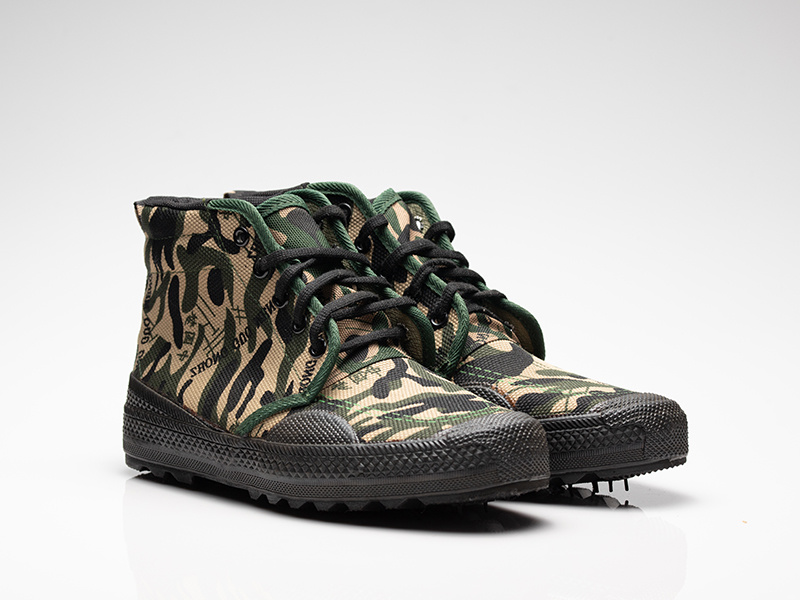
When it comes to outdoor training, the right footwear can make a significant difference in performance, comfort, and safety. One category that has gained considerable attention in recent years is camouflage outdoor training shoes. These shoes are designed specifically for outdoor activities, providing both functionality and style.
Manufacturers in the camouflage outdoor training shoes sector should prioritize specific features that cater to the needs of outdoor enthusiasts. First and foremost, the choice of materials is crucial. High-quality, durable fabrics that can withstand the rigors of outdoor environments are essential. Waterproof and breathable materials not only keep the feet dry but also ensure comfort during long training sessions. Additionally, using lightweight materials can enhance mobility and reduce fatigue.
Another key aspect to consider is the shoe's traction. Good grip is vital when training in various terrains, be it rocky paths, muddy trails, or sandy beaches. Many models incorporate specially designed outsoles that provide optimal traction, preventing slips and falls. Furthermore, cushioning and support systems are critical in ensuring foot comfort. Adequate arch support and shock-absorbing soles can help reduce the risk of injuries during intense training activities.
Camouflage patterns not only serve an aesthetic purpose but also have practical applications. In outdoor settings, these patterns can help users blend into their environment, which is particularly beneficial for military training or wildlife observation. Thus, manufacturers should consider a range of camouflage designs that cater to different environments, from forested areas to desert terrains.
Additionally, the fit of the shoe plays a vital role in performance. Offering a variety of sizes and widths can help accommodate different foot shapes, ensuring that all users find their perfect match. Manufacturers can also explore adjustable features, such as lacing systems that allow for a customized fit.
Sustainability is becoming increasingly important in today's consumer market. Using eco-friendly materials and sustainable manufacturing processes can not only appeal to environmentally conscious consumers but also promote a positive brand image.
In conclusion, the factory producing camouflage outdoor training shoes should focus on quality materials, traction, comfort, fit, and sustainability to meet the demands of outdoor enthusiasts. By prioritizing these elements, manufacturers can create products that not only perform well but also appeal to a growing market of outdoor training enthusiasts looking for functional and stylish footwear. Emphasizing these features will ensure that the camouflage outdoor training shoes stand out in a competitive industry while meeting the needs of consumers.
Manufacturers in the camouflage outdoor training shoes sector should prioritize specific features that cater to the needs of outdoor enthusiasts. First and foremost, the choice of materials is crucial. High-quality, durable fabrics that can withstand the rigors of outdoor environments are essential. Waterproof and breathable materials not only keep the feet dry but also ensure comfort during long training sessions. Additionally, using lightweight materials can enhance mobility and reduce fatigue.
Another key aspect to consider is the shoe's traction. Good grip is vital when training in various terrains, be it rocky paths, muddy trails, or sandy beaches. Many models incorporate specially designed outsoles that provide optimal traction, preventing slips and falls. Furthermore, cushioning and support systems are critical in ensuring foot comfort. Adequate arch support and shock-absorbing soles can help reduce the risk of injuries during intense training activities.
Camouflage patterns not only serve an aesthetic purpose but also have practical applications. In outdoor settings, these patterns can help users blend into their environment, which is particularly beneficial for military training or wildlife observation. Thus, manufacturers should consider a range of camouflage designs that cater to different environments, from forested areas to desert terrains.
Additionally, the fit of the shoe plays a vital role in performance. Offering a variety of sizes and widths can help accommodate different foot shapes, ensuring that all users find their perfect match. Manufacturers can also explore adjustable features, such as lacing systems that allow for a customized fit.
Sustainability is becoming increasingly important in today's consumer market. Using eco-friendly materials and sustainable manufacturing processes can not only appeal to environmentally conscious consumers but also promote a positive brand image.
In conclusion, the factory producing camouflage outdoor training shoes should focus on quality materials, traction, comfort, fit, and sustainability to meet the demands of outdoor enthusiasts. By prioritizing these elements, manufacturers can create products that not only perform well but also appeal to a growing market of outdoor training enthusiasts looking for functional and stylish footwear. Emphasizing these features will ensure that the camouflage outdoor training shoes stand out in a competitive industry while meeting the needs of consumers.
Related news
Contact Us
Address: 012 Township Road, Wen County, Jiaozuo City, Henan Province