
A joint-stock enterprise specializing in the production and sales of cloth faced rubber shoes

- Home
- About Us
-
Products
Products
-
Official Mall
Official Mall

-
News Center
News Center

-
Qualifications
Qualifications

- Contact Us
- Language

All classifications
From Slips to Safety: The Essential Role of Anti-Slip Work Shoes in Construction
Classification :
Published time :
2026-07-20
From Slips to Safety: The Essential Role of Anti-Slip Work Shoes in Construction
Table of Contents
- Introduction to Anti-Slip Work Shoes
- The Importance of Footwear Safety in Construction
- Key Features of Anti-Slip Work Shoes
- Different Types of Anti-Slip Work Shoes
- Benefits of Wearing Anti-Slip Work Shoes
- How to Choose the Right Anti-Slip Work Shoes
- Caring for Your Anti-Slip Work Shoes
- Frequently Asked Questions
- Conclusion: Ensuring Safety on the Job
Introduction to Anti-Slip Work Shoes
In the construction industry, the importance of **footwear safety** cannot be overstated. Workers face numerous risks on the job site, including wet, oily, or uneven surfaces that can lead to dangerous slips and falls. This is where **anti-slip work shoes** come into play. These specialized shoes are designed to provide **superior traction** and prevent accidents, ensuring that workers can perform their duties safely and efficiently.
This article explores why anti-slip work shoes are not just an accessory but a vital component of personal protective equipment (PPE) in construction. We will delve into the significant aspects that make these shoes indispensable in maintaining safety and enhancing productivity.
The Importance of Footwear Safety in Construction
Footwear safety is paramount in the construction industry for several reasons. The work environment is often unpredictable, with various hazards that can change from one moment to the next. Here are some critical points highlighting the importance of footwear safety:
1. High Risk of Slips and Falls
According to various studies, slips, trips, and falls account for a significant percentage of workplace injuries in construction. Workers frequently navigate through wet or oily environments, making proper footwear essential in minimizing these risks.
2. Legal Compliance and Company Liability
Employers have a legal obligation to provide a safe working environment. Adopting anti-slip work shoes not only helps in protecting workers but also ensures compliance with safety regulations, potentially reducing liability for accidents.
3. Enhancing Worker Confidence
When workers wear reliable, anti-slip shoes, they feel more secure on their feet. This confidence can lead to increased efficiency and productivity, as employees can focus on their tasks rather than worrying about slipping.
Key Features of Anti-Slip Work Shoes
Understanding the features of anti-slip work shoes can help in making informed choices. Here are some crucial aspects to consider:
1. Slip-Resistant Outsoles
The outsoles of anti-slip shoes are typically made from materials that provide superior traction. Look for shoes with rubber compounds that have been specifically engineered for slip resistance.
2. Arch and Ankle Support
Good anti-slip work shoes come equipped with adequate arch and ankle support. This feature not only enhances comfort but also reduces fatigue, allowing workers to stay on their feet longer without discomfort.
3. Water Resistance
Many anti-slip work shoes are designed to be water-resistant, which is crucial for construction workers who often encounter wet conditions. Look for shoes with water-resistant upper materials to keep feet dry.
4. Reinforced Toe Caps
Safety toe caps can protect against dropping or rolling objects, an essential feature in construction environments. Many anti-slip shoes incorporate steel or composite toe caps for added safety.
Different Types of Anti-Slip Work Shoes
Not all anti-slip work shoes are created equal, and choosing the right type can significantly impact performance and safety. Here are some common types:
1. Safety Boots
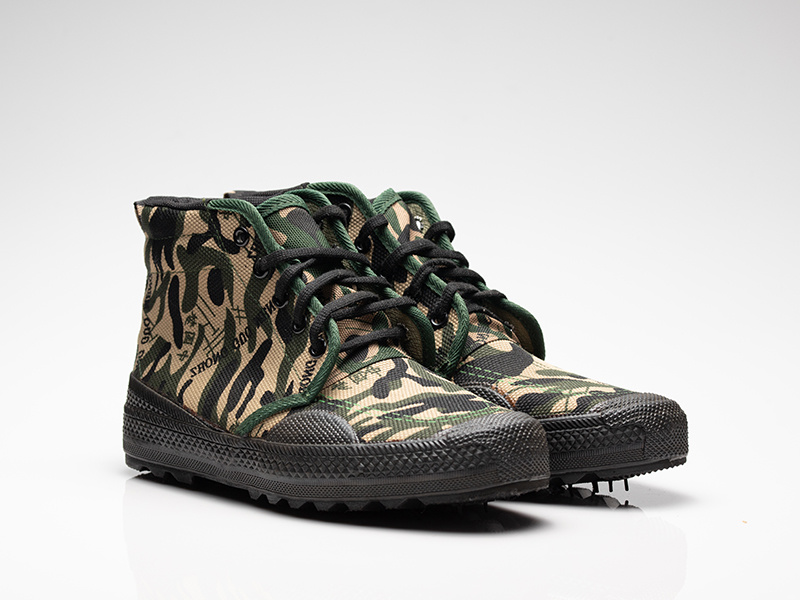
Safety boots are often the go-to choice for many construction workers. They provide comprehensive coverage, including ankle support and toe protection, making them ideal for high-risk environments.
2. Sneakers with Anti-Slip Features
In less hazardous environments, anti-slip sneakers can offer a more comfortable and lightweight option. These shoes combine style with functionality, appealing to workers who prioritize comfort without compromising safety.
3. Slip-On Work Shoes
Slip-on work shoes provide convenience, especially for workers who frequently enter and exit job sites. While they are easier to wear, ensure that they still meet anti-slip and safety standards.
4. Waterproof Work Shoes
Waterproof options are critical for workers in environments where wet conditions are prevalent. These shoes keep feet dry while providing necessary anti-slip functionality.
Benefits of Wearing Anti-Slip Work Shoes
Investing in quality anti-slip work shoes offers numerous advantages that go beyond just safety. Here are some of the key benefits:
1. Reduced Risk of Injury
The primary benefit is a significant reduction in the risk of slips and falls, which can lead to serious injuries. By wearing anti-slip shoes, employees can navigate potentially dangerous surfaces with confidence.
2. Increased Productivity
With the peace of mind that comes from wearing reliable footwear, workers can focus on their tasks. This increased concentration often translates into improved productivity on job sites.
3. Enhanced Comfort
Quality anti-slip work shoes are designed for comfort. Features like cushioning, arch support, and breathable materials help to alleviate foot fatigue, allowing for longer work periods without discomfort.
4. Long-Term Cost Savings
While investing in quality anti-slip shoes may require a higher upfront cost, the long-term savings from reduced injury rates and improved worker productivity can be substantial.
How to Choose the Right Anti-Slip Work Shoes
Selecting the right anti-slip work shoes involves considering several factors to ensure optimal safety and comfort.
1. Assess Your Work Environment
Evaluate the specific conditions workers will face. Will they be exposed to wet surfaces, heavy equipment, or sharp objects? Choose shoes that address these particular hazards.
2. Look for Certified Safety Features
Ensure that the shoes meet national and international safety standards. Look for certifications that confirm their effectiveness in preventing slips and falls.
3. Prioritize Fit and Comfort
Proper fit is essential for comfort and safety. Shoes that are too tight or too loose can cause blisters and reduce stability. Always try on shoes before purchasing, if possible.
4. Consider Style and Design
While safety is paramount, don’t overlook the aesthetic aspect. Comfortable and stylish shoes can enhance workers' morale, leading to a more positive work atmosphere.
Caring for Your Anti-Slip Work Shoes
Regular maintenance can significantly extend the lifespan of your anti-slip work shoes. Here are some tips:
1. Clean After Use
Remove dirt and debris after each use. Use a damp cloth to wipe down the shoes and ensure that the outsoles remain free of contaminants that may compromise traction.
2. Inspect for Damage
Regularly check the shoes for signs of wear and tear. Look for cracks in the sole, damage to the upper, or loss of traction. Replace shoes when necessary to maintain safety.
3. Store Properly
Store your shoes in a cool, dry place. Avoid leaving them in direct sunlight or damp areas, as this can degrade the materials over time.
Frequently Asked Questions
1. What makes anti-slip work shoes different from regular shoes?
Anti-slip work shoes are specifically designed with slip-resistant outsoles and safety features to protect workers from falls and injuries in hazardous environments.
2. How do I know if my shoes are anti-slip?
Look for shoes with labels indicating slip-resistance ratings and certifications. Testing the outsole on various surfaces can also help determine effectiveness.
3. Can I wear anti-slip shoes in non-construction environments?
Yes, anti-slip shoes can provide safety benefits in various industries, including food service, healthcare, and manufacturing, where slippery surfaces may be present.
4. How often should I replace my anti-slip work shoes?
Replace shoes regularly based on wear and tear. If you notice a decline in traction or comfort, it’s time for a new pair.
5. Are there stylish options for anti-slip work shoes?
Yes, many manufacturers offer stylish designs that meet safety standards. Look for brands that prioritize both aesthetics and functionality.
Conclusion: Ensuring Safety on the Job
In conclusion, **anti-slip work shoes** are an essential aspect of safety in the construction industry. With the potential to prevent slips, trips, and falls, these specialized shoes not only protect workers but also enhance productivity and comfort. By understanding the features, benefits, and selection criteria for anti-slip footwear, employers can make informed decisions that prioritize the safety and well-being of their teams.
Investing in high-quality anti-slip work shoes is not just a choice; it’s a commitment to fostering a safe and efficient working environment. Prioritize your safety today by choosing the right footwear for your construction needs.
Related news
Contact Us
Address: 012 Township Road, Wen County, Jiaozuo City, Henan Province