
A joint-stock enterprise specializing in the production and sales of cloth faced rubber shoes

- Home
- About Us
-
Products
Products
-
Official Mall
Official Mall

-
News Center
News Center

-
Qualifications
Qualifications

- Contact Us
- Language


All classifications
Essential Guide to Construction Site Anti-Slip Work Shoes: Safety and Comfort Combined
Classification :
Published time :
2026-06-04
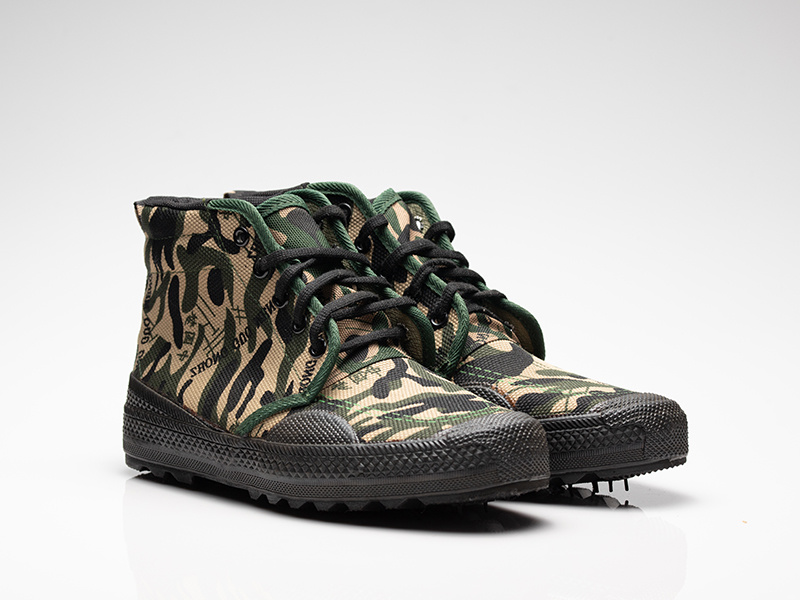
When it comes to working on construction sites, safety is paramount. One of the most critical pieces of personal protective equipment (PPE) is footwear, specifically construction site anti-slip work shoes. These shoes are designed to provide traction and stability on slippery surfaces, greatly reducing the risk of accidents, which are unfortunately common in the industry.
The first aspect to consider when selecting anti-slip work shoes is the outsole material. Many of these shoes feature rubber soles with specific tread patterns that enhance grip on various surfaces, including wet, oily, or uneven terrains. The right outsole not only prevents slipping but also absorbs shock, providing comfort during long hours of work.
In addition to slip resistance, construction site anti-slip work shoes often incorporate supportive features such as cushioned insoles and arch support. This is particularly important for professionals who spend extended periods standing or walking. Proper support can help alleviate foot fatigue and reduce the risk of long-term issues like plantar fasciitis, which is common among those who work on their feet all day.
Moreover, many anti-slip shoes are designed to be lightweight and breathable. This is crucial in maintaining comfort during hot weather or in environments where heat can be an issue. Breathable materials help keep feet dry, reducing the likelihood of slipping due to moisture accumulation inside the shoe.
Another important consideration is the fit of the footwear. Shoes that are too tight can lead to discomfort and potential injuries, while those that are too loose may not provide the necessary support and protection. It’s advisable to try on various styles and sizes to find the perfect fit, ensuring that there’s enough room for toes to move without compromising security.
Durability is also a key factor when choosing construction site anti-slip work shoes. Materials that can withstand the rigors of construction work, including exposure to chemicals, heavy machinery, and sharp objects, are essential. Look for shoes that not only offer anti-slip features but are also resistant to wear and tear.
In summary, construction site anti-slip work shoes are an essential investment for anyone working in hazardous environments. The right pair can significantly enhance safety, comfort, and performance on the job. By considering features like outsole material, support, breathability, fit, and durability, professionals can select footwear that meets their specific needs while ensuring they remain safe and effective on the job site. Prioritize safety and comfort, and make informed choices for your footwear to protect yourself in the demanding world of construction.
The first aspect to consider when selecting anti-slip work shoes is the outsole material. Many of these shoes feature rubber soles with specific tread patterns that enhance grip on various surfaces, including wet, oily, or uneven terrains. The right outsole not only prevents slipping but also absorbs shock, providing comfort during long hours of work.
In addition to slip resistance, construction site anti-slip work shoes often incorporate supportive features such as cushioned insoles and arch support. This is particularly important for professionals who spend extended periods standing or walking. Proper support can help alleviate foot fatigue and reduce the risk of long-term issues like plantar fasciitis, which is common among those who work on their feet all day.
Moreover, many anti-slip shoes are designed to be lightweight and breathable. This is crucial in maintaining comfort during hot weather or in environments where heat can be an issue. Breathable materials help keep feet dry, reducing the likelihood of slipping due to moisture accumulation inside the shoe.
Another important consideration is the fit of the footwear. Shoes that are too tight can lead to discomfort and potential injuries, while those that are too loose may not provide the necessary support and protection. It’s advisable to try on various styles and sizes to find the perfect fit, ensuring that there’s enough room for toes to move without compromising security.
Durability is also a key factor when choosing construction site anti-slip work shoes. Materials that can withstand the rigors of construction work, including exposure to chemicals, heavy machinery, and sharp objects, are essential. Look for shoes that not only offer anti-slip features but are also resistant to wear and tear.
In summary, construction site anti-slip work shoes are an essential investment for anyone working in hazardous environments. The right pair can significantly enhance safety, comfort, and performance on the job. By considering features like outsole material, support, breathability, fit, and durability, professionals can select footwear that meets their specific needs while ensuring they remain safe and effective on the job site. Prioritize safety and comfort, and make informed choices for your footwear to protect yourself in the demanding world of construction.
Related news
Contact Us
Address: 012 Township Road, Wen County, Jiaozuo City, Henan Province