
A joint-stock enterprise specializing in the production and sales of cloth faced rubber shoes

- Home
- About Us
-
Products
Products
-
Official Mall
Official Mall

-
News Center
News Center

-
Qualifications
Qualifications

- Contact Us
- Language


All classifications
The Essential Guide to Choosing Anti-Slip Work Shoes for Construction Sites
Classification :
Published time :
2026-03-19
In the dynamic environment of a construction site, safety is paramount. One critical aspect of safety gear that often gets overlooked is footwear. Specifically, anti-slip work shoes are a vital component for those working in the construction industry. These shoes are designed to provide excellent traction, reducing the risk of slips and falls, which are among the most common causes of workplace injuries.
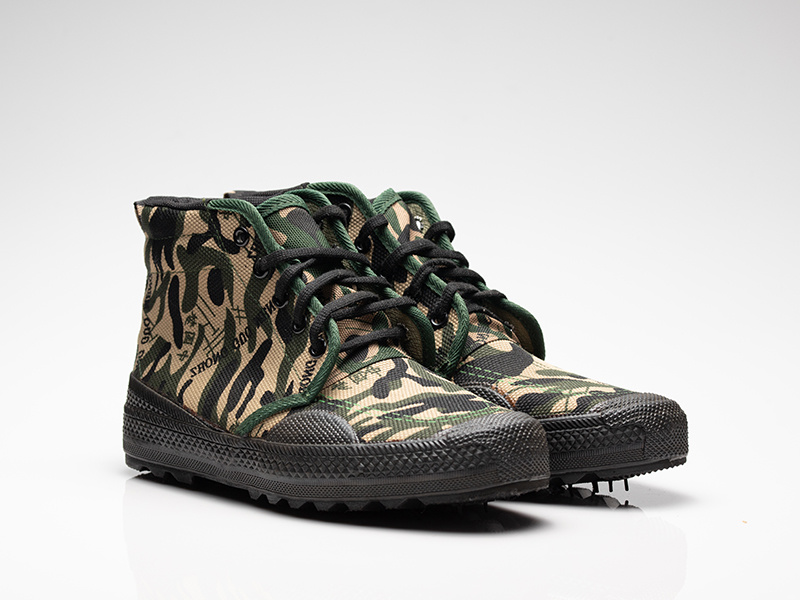
When choosing anti-slip work shoes, it is essential to understand the specific features that contribute to their effectiveness. The sole material is one of the most important factors to consider. Rubber soles are commonly used for their superior grip on various surfaces, including wet and uneven terrain. Additionally, many anti-slip shoes are equipped with tread patterns that enhance stability and prevent slipping, which is particularly beneficial when navigating slippery surfaces often found on construction sites.
Comfort is another crucial element to consider when selecting work shoes. Construction workers typically spend long hours on their feet; therefore, cushioning and arch support are essential features. Shoes that offer a good fit and adequate padding can help reduce fatigue and discomfort, allowing workers to focus on their tasks instead of their feet.
Moreover, it’s important for anti-slip work shoes to provide protection against potential hazards that may be present on a construction site. Many models are designed with reinforced toes to protect against falling objects, and some offer water-resistant features to keep feet dry in wet conditions. Ensuring that the shoes meet safety standards can provide additional peace of mind.
Another consideration is the weight of the shoes. Lightweight designs can significantly reduce fatigue over long periods, making them a popular choice among construction workers. However, it’s essential to balance weight with the necessary protective features to ensure that safety is not compromised.
Aside from functionality, aesthetics also play a role in footwear selection. While the primary focus should always be on safety and comfort, many brands offer stylish designs that can be worn both on and off the job site. This versatility can be appealing for workers who want a shoe that can transition seamlessly between work and casual settings.
In summary, anti-slip work shoes are an indispensable part of personal protective equipment for anyone working on a construction site. By understanding the key features, including sole material, comfort levels, protective capabilities, and overall design, workers can make informed decisions that enhance their safety and productivity. Prioritizing quality footwear is not just a matter of comfort; it's a crucial step towards maintaining a safe working environment. With the right pair of anti-slip work shoes, construction professionals can navigate their tasks with confidence, minimizing the risk of accidents and enhancing their overall performance on the job.
When choosing anti-slip work shoes, it is essential to understand the specific features that contribute to their effectiveness. The sole material is one of the most important factors to consider. Rubber soles are commonly used for their superior grip on various surfaces, including wet and uneven terrain. Additionally, many anti-slip shoes are equipped with tread patterns that enhance stability and prevent slipping, which is particularly beneficial when navigating slippery surfaces often found on construction sites.
Comfort is another crucial element to consider when selecting work shoes. Construction workers typically spend long hours on their feet; therefore, cushioning and arch support are essential features. Shoes that offer a good fit and adequate padding can help reduce fatigue and discomfort, allowing workers to focus on their tasks instead of their feet.
Moreover, it’s important for anti-slip work shoes to provide protection against potential hazards that may be present on a construction site. Many models are designed with reinforced toes to protect against falling objects, and some offer water-resistant features to keep feet dry in wet conditions. Ensuring that the shoes meet safety standards can provide additional peace of mind.
Another consideration is the weight of the shoes. Lightweight designs can significantly reduce fatigue over long periods, making them a popular choice among construction workers. However, it’s essential to balance weight with the necessary protective features to ensure that safety is not compromised.
Aside from functionality, aesthetics also play a role in footwear selection. While the primary focus should always be on safety and comfort, many brands offer stylish designs that can be worn both on and off the job site. This versatility can be appealing for workers who want a shoe that can transition seamlessly between work and casual settings.
In summary, anti-slip work shoes are an indispensable part of personal protective equipment for anyone working on a construction site. By understanding the key features, including sole material, comfort levels, protective capabilities, and overall design, workers can make informed decisions that enhance their safety and productivity. Prioritizing quality footwear is not just a matter of comfort; it's a crucial step towards maintaining a safe working environment. With the right pair of anti-slip work shoes, construction professionals can navigate their tasks with confidence, minimizing the risk of accidents and enhancing their overall performance on the job.
Related news
Contact Us
Address: 012 Township Road, Wen County, Jiaozuo City, Henan Province