
A joint-stock enterprise specializing in the production and sales of cloth faced rubber shoes

- Home
- About Us
-
Products
Products
-
Official Mall
Official Mall

-
News Center
News Center

-
Qualifications
Qualifications

- Contact Us
- Language


All classifications
Understanding the Pricing Dynamics of Military Canvas Training Shoes
Classification :
Published time :
2026-03-15
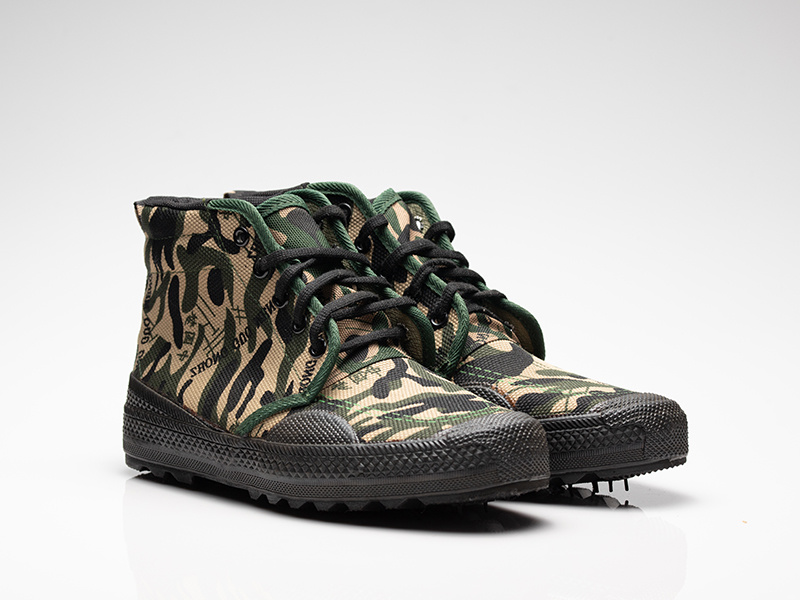
In the realm of footwear, particularly within the segment of military canvas training shoes, understanding pricing dynamics is crucial for professionals in the apparel and accessories industry. Military canvas training shoes blend functionality with durability, making them a favored choice for both training and casual wear. This article delves into the various factors that can affect the pricing of these shoes, guiding industry practitioners in making informed decisions.
Firstly, material quality plays a significant role in the pricing structure. Military canvas shoes are often constructed from high-grade cotton or synthetic fibers that provide resilience and comfort. The sourcing of these materials can lead to variations in price. Shoes made from eco-friendly or recycled materials may command a premium, as consumers increasingly prioritize sustainability. Professionals should consider how their sourcing strategies can align with market demand while managing costs.
Secondly, manufacturing processes significantly impact the final price of military canvas training shoes. Brands that utilize advanced production techniques, such as automated stitching or quality control measures, may incur higher upfront costs. However, these investments often translate into better product quality and lower return rates, ultimately benefiting the bottom line. Understanding the balance between manufacturing efficiency and product quality is essential for pricing strategies.
Another key factor is the target market. Military canvas training shoes are commonly used by individuals in various sectors, including law enforcement, fitness, and outdoor activities. Pricing must reflect the expectations and purchasing power of these diverse groups. Conducting market research to identify the price sensitivity of different customer segments can provide valuable insights. This allows for a tiered pricing strategy that caters to varying customer needs and maximizes sales potential.
Additionally, brand positioning plays a crucial role in determining pricing. Established brands with strong reputations may be able to command higher prices due to perceived value and consumer loyalty. New entrants or lesser-known brands, on the other hand, may need to adopt a competitive pricing strategy to capture market share. Professionals should evaluate their brand's positioning within the market and adjust their pricing strategies accordingly.
Lastly, seasonal trends and promotional strategies can also influence the pricing of military canvas training shoes. Launching new styles during peak seasons, such as back-to-school or holiday shopping periods, can create opportunities for discounted pricing or bundled offers. Conversely, off-season sales can help maintain inventory turnover and attract budget-conscious consumers.
In conclusion, understanding the pricing dynamics of military canvas training shoes involves a multifaceted approach that considers material quality, manufacturing processes, target markets, brand positioning, and seasonal trends. By analyzing these factors, industry professionals can develop effective pricing strategies that not only appeal to consumers but also enhance profitability in a competitive marketplace.
Firstly, material quality plays a significant role in the pricing structure. Military canvas shoes are often constructed from high-grade cotton or synthetic fibers that provide resilience and comfort. The sourcing of these materials can lead to variations in price. Shoes made from eco-friendly or recycled materials may command a premium, as consumers increasingly prioritize sustainability. Professionals should consider how their sourcing strategies can align with market demand while managing costs.
Secondly, manufacturing processes significantly impact the final price of military canvas training shoes. Brands that utilize advanced production techniques, such as automated stitching or quality control measures, may incur higher upfront costs. However, these investments often translate into better product quality and lower return rates, ultimately benefiting the bottom line. Understanding the balance between manufacturing efficiency and product quality is essential for pricing strategies.
Another key factor is the target market. Military canvas training shoes are commonly used by individuals in various sectors, including law enforcement, fitness, and outdoor activities. Pricing must reflect the expectations and purchasing power of these diverse groups. Conducting market research to identify the price sensitivity of different customer segments can provide valuable insights. This allows for a tiered pricing strategy that caters to varying customer needs and maximizes sales potential.
Additionally, brand positioning plays a crucial role in determining pricing. Established brands with strong reputations may be able to command higher prices due to perceived value and consumer loyalty. New entrants or lesser-known brands, on the other hand, may need to adopt a competitive pricing strategy to capture market share. Professionals should evaluate their brand's positioning within the market and adjust their pricing strategies accordingly.
Lastly, seasonal trends and promotional strategies can also influence the pricing of military canvas training shoes. Launching new styles during peak seasons, such as back-to-school or holiday shopping periods, can create opportunities for discounted pricing or bundled offers. Conversely, off-season sales can help maintain inventory turnover and attract budget-conscious consumers.
In conclusion, understanding the pricing dynamics of military canvas training shoes involves a multifaceted approach that considers material quality, manufacturing processes, target markets, brand positioning, and seasonal trends. By analyzing these factors, industry professionals can develop effective pricing strategies that not only appeal to consumers but also enhance profitability in a competitive marketplace.
Related news
Contact Us
Address: 012 Township Road, Wen County, Jiaozuo City, Henan Province