
A joint-stock enterprise specializing in the production and sales of cloth faced rubber shoes

- Home
- About Us
-
Products
Products
-
Official Mall
Official Mall

-
News Center
News Center

-
Qualifications
Qualifications

- Contact Us
- Language


All classifications
Top Features to Look for in Protective Shoes: A Comprehensive Guide
Classification :
Published time :
2024-11-27
Top Features to Look for in Protective Shoes
When it comes to ensuring safety in hazardous work environments, the importance of quality protective footwear cannot be overstated. Protective shoes are designed to safeguard your feet from various potential dangers, including heavy objects, sharp materials, slippery surfaces, and electrical hazards. In this comprehensive guide, we will explore the top features to look for in protective shoes, helping you make informed decisions that prioritize both safety and comfort.
Table of Contents
- Understanding Protective Footwear Standards
- Key Features of Protective Shoes
- Steel Toe vs. Composite Toe Protection
- Slip Resistance: Why It Matters
- Waterproof and Breathable Materials
- Electrical Hazard Protection
- Comfort Features: Cushioned Insoles and Arch Support
- Choosing the Right Type of Protective Shoe
- The Importance of Sizing and Fit
- Maintaining Your Protective Shoes
- FAQs on Protective Shoes
- Conclusion
Understanding Protective Footwear Standards
Before diving into the specific features of protective shoes, it’s crucial to familiarize ourselves with the standards that govern them. In many regions, protective footwear must adhere to specific safety standards, such as those set by the American National Standards Institute (ANSI) or the Occupational Safety and Health Administration (OSHA). These standards outline the minimum requirements for protective shoes, including impact resistance, compression resistance, and electrical hazard protection.
Choosing shoes that meet or exceed these standards is essential for ensuring adequate safety and protection in your workplace. Always look for labels or tags that indicate compliance with these regulations.
Key Features of Protective Shoes
When selecting protective shoes, there are several key features to consider. These characteristics can significantly impact your safety, comfort, and overall satisfaction with the footwear.
Steel Toe vs. Composite Toe Protection
One of the most critical features of protective shoes is toe protection. You generally have two options: **steel toe** and **composite toe**.
- **Steel Toe Shoes:** These shoes include a steel cap that provides excellent protection against impact and compression. They are particularly suited for environments where heavy objects may fall.
- **Composite Toe Shoes:** Made from materials like Kevlar or carbon fiber, composite toe shoes are lighter and do not conduct electricity. They are ideal for workplaces where electric hazards are present.
When choosing between steel toe and composite toe shoes, consider your specific work environment and potential risks.
Slip Resistance: Why It Matters
Another crucial feature is slip resistance. Many workplace accidents occur due to slips and falls on wet or oily surfaces. Look for shoes with outsoles designed with slip-resistant tread patterns.
Additionally, consider shoes made from rubber or other materials that grip the ground effectively. Ensuring your shoes provide adequate traction can dramatically reduce the risk of accidents, allowing you to focus on your work without fear of slipping.
Waterproof and Breathable Materials
Depending on your work environment, waterproofing may be essential. Waterproof protective shoes keep your feet dry in wet conditions, while breathable materials allow moisture and heat to escape, keeping your feet comfortable during long hours of wear.
Look for shoes with Gore-Tex or similar membranes that offer both waterproofing and breathability. This feature is especially important for those who work outdoors or in environments where spills are common.
Electrical Hazard Protection
For those who work in environments with electrical hazards, choosing shoes with electrical hazard (EH) protection is crucial. EH-rated shoes are designed to reduce the risk of electric shock by providing insulation against accidental contact with live circuits.
Always check for markings indicating electrical hazard protection, and ensure that your shoes meet the necessary safety standards.
Comfort Features: Cushioned Insoles and Arch Support
Comfort is paramount when it comes to protective footwear. Long hours on your feet can lead to fatigue, discomfort, and even injuries. Look for shoes with cushioned insoles and proper arch support to enhance comfort.
Features like moisture-wicking linings can also contribute to overall comfort, keeping your feet dry and reducing the likelihood of blisters.
Choosing the Right Type of Protective Shoe
Choosing the right type of protective shoe can depend on several factors, including your job requirements, the environment in which you work, and your personal comfort preferences.
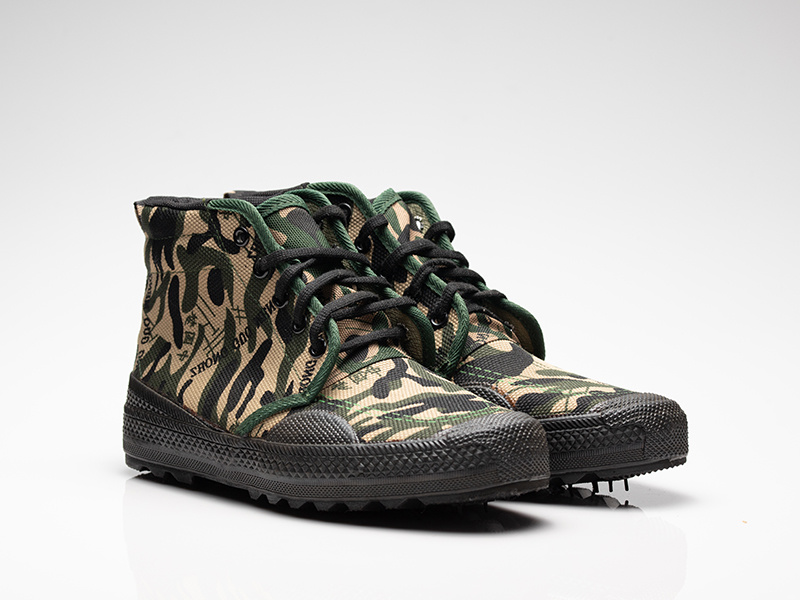
- **Work Boots:** Typically made for rugged environments, work boots provide ankle support and superior protection. They are ideal for construction and industrial jobs.
- **Safety Sneakers:** For those in more casual work environments, safety sneakers combine comfort with protective features. They are suitable for light manufacturing and warehousing jobs.
Consider the specific risks associated with your job to determine the best type of protective shoe for your needs.
The Importance of Sizing and Fit
Proper sizing and fit are essential for maximizing the protective features of your shoes. Ill-fitting footwear can lead to discomfort, reduced mobility, and a higher risk of injury.
When trying on shoes, ensure you have enough room to wiggle your toes and that the heel fits snugly without slipping. Consider trying shoes on at the end of the day when your feet are slightly swollen to ensure a proper fit during long hours of wear.
Maintaining Your Protective Shoes
To ensure the longevity and effectiveness of your protective shoes, regular maintenance is key. Here are some tips to keep your footwear in top condition:
- **Clean Regularly:** Remove dirt, debris, and moisture after each use. This helps prolong the life of the materials and prevents odors.
- **Check for Damage:** Regularly inspect your shoes for any signs of wear and tear, including cracks, worn-out soles, or compromised toe protection.
- **Store Properly:** Store your shoes in a cool, dry place away from direct sunlight to prevent material degradation.
Following these maintenance tips can extend the life of your protective shoes and keep them performing at their best.
FAQs on Protective Shoes
1. What are the best materials for protective shoes?
The best materials for protective shoes typically include a combination of leather, synthetic materials, and rubber. Leather offers durability, while synthetic materials can provide lightweight options. Rubber soles are essential for slip resistance.
2. How do I know if my shoes meet safety standards?
Look for labels or tags on your shoes indicating compliance with safety standards such as ANSI, OSHA, or ASTM. These certifications demonstrate that the footwear meets specific safety criteria.
3. Can I wear protective shoes casually?
Yes, many brands offer safety sneakers and casual styles that incorporate protective features while maintaining a fashionable appearance. These can be suitable for light industrial jobs or casual settings.
4. How often should I replace my protective shoes?
The lifespan of protective shoes can vary based on usage and conditions. It’s recommended to replace them every 6 to 12 months, or sooner if you notice signs of wear, such as a worn-out sole or loss of protective features.
5. Are there specific protective shoes for women?
Yes, many brands offer protective shoes specifically designed for women, focusing on fit, comfort, and style while maintaining safety features.
Conclusion
In conclusion, selecting the right protective shoes is a crucial decision that directly impacts your safety and comfort in hazardous work environments. By prioritizing features such as toe protection, slip resistance, waterproofing, and electrical hazard protection, you can make informed choices that meet your specific needs. Be sure to consider the fit and maintenance of your footwear to ensure lasting performance. Investing in quality protective shoes is a step towards a safer and more comfortable work experience.
Related news
Contact Us
Address: 012 Township Road, Wen County, Jiaozuo City, Henan Province