
A joint-stock enterprise specializing in the production and sales of cloth faced rubber shoes

- Home
- About Us
-
Products
Products
-
Official Mall
Official Mall

-
News Center
News Center

-
Qualifications
Qualifications

- Contact Us
- Language

All classifications
Sneaker Safety: The Critical Role of Anti-Slip Features for Your Feet
Classification :
Published time :
2024-11-09
Sneaker Safety: The Critical Role of Anti-Slip Features for Your Feet
Table of Contents
- 1. Introduction to Sneaker Safety
- 2. Understanding Anti-Slip Features
- 3. The Importance of Slip Resistance in Footwear
- 4. Factors Influencing Anti-Slip Performance
- 4.1. Material Composition
- 4.2. Sole Design and Tread Patterns
- 5. Benefits of Wearing Anti-Slip Sneakers
- 5.1. Reducing the Risk of Slips and Falls
- 5.2. Enhancing Comfort and Support
- 6. Choosing the Right Anti-Slip Sneakers
- 6.1. Assessing Your Needs
- 6.2. Testing Slip Resistance
- 7. Maintenance Tips for Anti-Slip Sneakers
- 8. Conclusion
- 9. FAQs about Anti-Slip Sneakers
1. Introduction to Sneaker Safety
In today's fast-paced world, the footwear we choose plays a **pivotal role** in our safety and overall well-being. Sneakers, known for their **comfort and style**, are a popular choice for many. However, not all sneakers are created equal, especially when it comes to safety features. **Anti-slip functionalities** in sneakers have emerged as a critical aspect of footwear design, ensuring that wearers can navigate various environments without the constant worry of slipping or falling. This article explores the significance of anti-slip features, their benefits, and tips on selecting the right pair for your needs.
2. Understanding Anti-Slip Features
Anti-slip features in sneakers are designed to provide traction and stability, minimizing the risk of accidents caused by slips and falls. These features typically include specialized sole materials and innovative tread patterns that enhance grip on a variety of surfaces. By understanding how these features work, we can make informed choices when it comes to our footwear.
What Makes a Sneaker Anti-Slip?
Anti-slip sneakers are characterized by several key elements:
1. **Sole Material:** The material used for the sole significantly influences slip resistance. **Rubber** and **thermoplastic elastomer (TPE)** are common materials known for their superior grip.
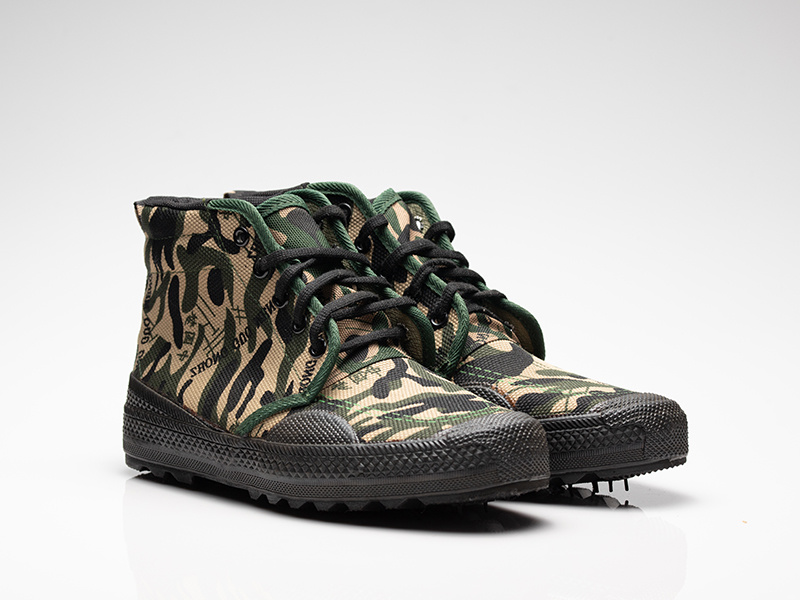
2. **Tread Design:** The tread pattern's depth, shape, and arrangement contribute to traction. Sneakers with larger, multi-directional lugs provide better grip on uneven or slick surfaces.
3. **Flexibility:** A sneaker that bends easily allows for better contact with the ground, enhancing grip.
By combining these elements, manufacturers can create sneakers that offer excellent slip resistance.
3. The Importance of Slip Resistance in Footwear
The **importance of slip resistance** cannot be overstated, particularly in certain environments where the risk of slipping is heightened. Whether you are navigating a slippery gym floor, a wet sidewalk, or a factory floor, wearing sneakers with anti-slip features is essential for preventing accidents.
Statistics on Slip and Fall Incidents
Statistics reveal that slipping and falling is one of the leading causes of workplace injuries. According to the National Safety Council, slips, trips, and falls account for over **25% of workplace injuries** annually. Wearing the right footwear can drastically reduce these incidents, making anti-slip sneakers a wise choice for anyone conscious of their safety.
4. Factors Influencing Anti-Slip Performance
The effectiveness of anti-slip features can vary based on several factors. Understanding these factors can help you choose the most suitable footwear for your needs.
4.1 Material Composition
The material used in sneaker construction affects both comfort and slip resistance. **Rubber soles** are widely regarded as one of the best options for anti-slip capabilities, providing superior grip on both dry and wet surfaces.
**Polyurethane** and **EVA** (ethylene-vinyl acetate) foams also contribute to a sneaker's overall performance, offering cushioning and flexibility alongside slip-resistant properties.
4.2 Sole Design and Tread Patterns
The design of the sneaker's sole is crucial in determining its slip resistance. Sneakers featuring deep grooves, zigzag patterns, and multi-directional treads enhance traction by channeling water away from the sole's surface.
This design minimizes hydroplaning and allows for better grip on slick surfaces, making it an essential consideration when purchasing sneakers.
5. Benefits of Wearing Anti-Slip Sneakers
Choosing to wear sneakers with anti-slip features offers numerous benefits that extend beyond mere safety.
5.1 Reducing the Risk of Slips and Falls
The primary benefit of anti-slip sneakers is the **reduction in the likelihood of slips and falls**. With increased traction, individuals can confidently move across various surfaces, minimizing the risk of accidents that could lead to serious injuries.
5.2 Enhancing Comfort and Support
Many anti-slip sneakers also prioritize comfort. The combination of breathable materials, padded insoles, and ergonomic designs ensures that wearers feel good while staying safe. This added comfort can make all the difference during long hours of wear, especially for individuals working in environments that require extensive standing or movement.
6. Choosing the Right Anti-Slip Sneakers
When it comes to selecting the right pair of anti-slip sneakers, several considerations must be taken into account to ensure your safety and comfort.
6.1 Assessing Your Needs
Consider your primary activities when choosing sneakers. Are you looking for footwear for work, casual outings, or specific sports? Each situation may require varying levels of slip resistance, so understanding your needs is crucial.
6.2 Testing Slip Resistance
Before making a purchase, it's essential to **test the sneaker's slip resistance**. Many retailers provide sample surfaces where you can walk in the shoes to assess grip. Additionally, consult online reviews and ratings to gauge other customers' satisfaction regarding slip performance.
7. Maintenance Tips for Anti-Slip Sneakers
To prolong the life and effectiveness of your anti-slip sneakers, proper maintenance is vital. Here are some tips:
1. **Regular Cleaning:** Dirt and debris can accumulate on the sole, diminishing grip. Clean your sneakers regularly with mild soap and water.
2. **Drying Methods:** Avoid placing your sneakers near direct heat sources to dry. Instead, let them air dry to preserve the material's integrity.
3. **Storage:** Store your sneakers in a cool, dry place to prevent deterioration of the materials.
Following these maintenance tips will help keep your anti-slip sneakers safe and effective.
8. Conclusion
In conclusion, the significance of **anti-slip features in sneakers** cannot be overlooked. As we navigate our daily lives, the risk of slips and falls is ever-present. By investing in sneakers equipped with superior anti-slip capabilities, we prioritize not only our safety but also our comfort. Remember to assess your needs, test the footwear, and maintain your sneakers properly to ensure they continue to provide the protection you need. Choose wisely, and take every step with confidence!
9. FAQs about Anti-Slip Sneakers
1. What are anti-slip sneakers made of?
Anti-slip sneakers typically feature rubber or thermoplastic elastomer soles designed for enhanced grip.
2. How can I tell if my sneakers are slip-resistant?
Look for labeling or certifications indicating slip resistance, test them on various surfaces, or check reviews from other customers.
3. Are anti-slip sneakers suitable for all environments?
While designed for enhanced grip, it's essential to assess the specific conditions of your environment to ensure optimal performance.
4. Can I improve the slip resistance of my current sneakers?
While some anti-slip sprays are available, it's often more effective to invest in new sneakers designed with slip resistance in mind.
5. How often should I replace my anti-slip sneakers?
It is advisable to replace sneakers every 6 to 12 months, depending on wear and tear, to maintain optimal slip resistance and comfort.
By understanding the critical role of anti-slip features, we can make informed choices that keep us safe and comfortable in our daily lives. Consider the factors discussed here, and choose footwear that meets your needs for both style and safety.
Related news
Contact Us
Address: 012 Township Road, Wen County, Jiaozuo City, Henan Province