
A joint-stock enterprise specializing in the production and sales of cloth faced rubber shoes

- Home
- About Us
-
Products
Products
-
Official Mall
Official Mall

-
News Center
News Center

-
Qualifications
Qualifications

- Contact Us
- Language


All classifications
Essential Guide to Choosing Outdoor Boots for Men: Key Features and Considerations
Classification :
Published time :
2024-10-27
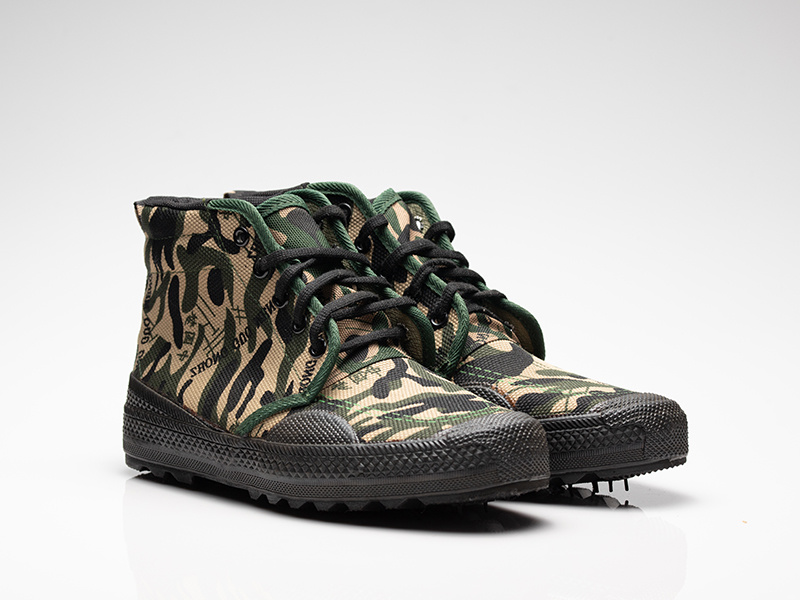
When it comes to outdoor activities, the right footwear is essential for both safety and performance. Outdoor boots for men play a crucial role in ensuring comfort and protection during diverse activities such as hiking, camping, or working in rugged environments. Understanding the key features and considerations when selecting these boots can greatly enhance your outdoor experience.
**Durability and Material**
One of the foremost factors to consider is the durability of the outdoor boots. Look for boots made from high-quality materials such as leather, synthetic fabric, or a combination of both. Leather offers excellent protection against abrasions and is water-resistant, making it suitable for various weather conditions. On the other hand, synthetic materials are often lighter and can provide better breathability, which is ideal for warmer climates.
**Comfort and Fit**
Comfort is paramount when choosing outdoor boots for men. A proper fit is essential to prevent blisters and discomfort during extended wear. When trying on boots, it’s advisable to wear the same type of socks you plan to use during your activities. Ensure there is enough room to wiggle your toes, and consider the arch support and cushioning provided by the boot. Similarly, assess the weight of the boots; lighter options are often preferred for long treks, while heavier boots may offer more support for rugged terrains.
**Traction and Sole Design**
The sole of the boot is another critical aspect that impacts performance. Look for boots with a sturdy rubber outsole that provides good traction on various surfaces. The design of the outsole should feature deep lugs that can grip loose and uneven terrain effectively. This becomes especially important in slippery or muddy conditions where maintaining stability is vital.
**Waterproofing and Breathability**
Depending on your specific outdoor activities, you may also want to consider whether you need waterproof boots. Technologies such as Gore-Tex or similar waterproof membranes can keep your feet dry in wet conditions while still allowing moisture to escape, preventing sweat buildup. For warmer climates, breathable materials are essential to keep your feet cool and comfortable.
**Ankle Support**
For those engaging in strenuous activities or traversing uneven ground, ankle support is another feature worth considering. Boots that extend above the ankle can provide additional support and stability, reducing the risk of sprains and injuries.
In conclusion, selecting the right outdoor boots for men involves understanding your specific needs, considering factors such as durability, comfort, traction, waterproofing, and ankle support. By keeping these considerations in mind, professionals can ensure they choose the best footwear to tackle any outdoor challenge with confidence.
**Durability and Material**
One of the foremost factors to consider is the durability of the outdoor boots. Look for boots made from high-quality materials such as leather, synthetic fabric, or a combination of both. Leather offers excellent protection against abrasions and is water-resistant, making it suitable for various weather conditions. On the other hand, synthetic materials are often lighter and can provide better breathability, which is ideal for warmer climates.
**Comfort and Fit**
Comfort is paramount when choosing outdoor boots for men. A proper fit is essential to prevent blisters and discomfort during extended wear. When trying on boots, it’s advisable to wear the same type of socks you plan to use during your activities. Ensure there is enough room to wiggle your toes, and consider the arch support and cushioning provided by the boot. Similarly, assess the weight of the boots; lighter options are often preferred for long treks, while heavier boots may offer more support for rugged terrains.
**Traction and Sole Design**
The sole of the boot is another critical aspect that impacts performance. Look for boots with a sturdy rubber outsole that provides good traction on various surfaces. The design of the outsole should feature deep lugs that can grip loose and uneven terrain effectively. This becomes especially important in slippery or muddy conditions where maintaining stability is vital.
**Waterproofing and Breathability**
Depending on your specific outdoor activities, you may also want to consider whether you need waterproof boots. Technologies such as Gore-Tex or similar waterproof membranes can keep your feet dry in wet conditions while still allowing moisture to escape, preventing sweat buildup. For warmer climates, breathable materials are essential to keep your feet cool and comfortable.
**Ankle Support**
For those engaging in strenuous activities or traversing uneven ground, ankle support is another feature worth considering. Boots that extend above the ankle can provide additional support and stability, reducing the risk of sprains and injuries.
In conclusion, selecting the right outdoor boots for men involves understanding your specific needs, considering factors such as durability, comfort, traction, waterproofing, and ankle support. By keeping these considerations in mind, professionals can ensure they choose the best footwear to tackle any outdoor challenge with confidence.
Related news
Contact Us
Address: 012 Township Road, Wen County, Jiaozuo City, Henan Province