
A joint-stock enterprise specializing in the production and sales of cloth faced rubber shoes

- Home
- About Us
-
Products
Products
-
Official Mall
Official Mall

-
News Center
News Center

-
Qualifications
Qualifications

- Contact Us
- Language

All classifications
The Essential Guide to Prisoners Shoes: Understanding Their Design and Functionality
Classification :
Published time :
2024-10-11
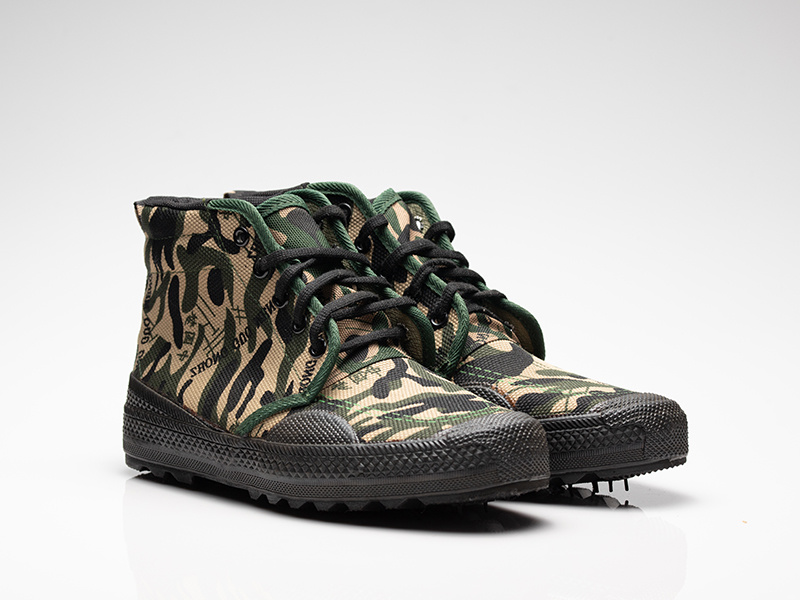
Prisoners shoes are a unique category of footwear designed specifically for individuals in correctional facilities. Unlike conventional shoes, these are crafted with specific features that address both security and functionality within the constraints of a prison environment. Understanding the design and purpose of prisoners shoes can provide valuable insights, especially for professionals in the apparel and safety footwear industry.
One of the most significant aspects of prisoners shoes is their construction. These shoes are typically made from durable materials that can withstand the rigors of daily wear in a challenging environment. The design often includes non-slip soles to prevent accidents in potentially hazardous conditions. Additionally, the shoes are often constructed without metal components, which is crucial for security purposes, as metal can be used as a weapon or to facilitate escape.
Comfort is another critical factor in the design of prisoners shoes. Inmates spend considerable amounts of time on their feet, whether it's during work assignments or recreational activities. Therefore, ergonomic considerations are taken into account to ensure that the shoes provide adequate support and comfort. This is particularly important for maintaining the overall well-being of inmates, as physical discomfort can lead to irritability and other issues that affect behavior and rehabilitation.
The color and style of prisoners shoes are also noteworthy. Generally, these shoes come in neutral colors, often black or brown, to maintain a uniform appearance among inmates. This not only helps in identifying inmates but also reduces the potential for conflicts that can arise from individual expression through footwear. The simplicity in design and color serves to reinforce the idea of equality among individuals within the facility.
In addition to comfort and safety, prisoners shoes may also contribute to the rehabilitation process. By providing inmates with functional footwear, facilities can encourage participation in activities such as job training programs or recreational opportunities, fostering skills that may be beneficial upon their release. This holistic approach to inmate care underscores the importance of thoughtfully designed footwear in a correctional setting.
In conclusion, prisoners shoes serve a vital role in the day-to-day life within correctional facilities. Their unique features, which prioritize safety, comfort, and functionality, make them an essential component of the inmate experience. For professionals in the footwear industry, understanding the design and implications of prisoners shoes can lead to better product development that meets the specific needs of this niche market.
One of the most significant aspects of prisoners shoes is their construction. These shoes are typically made from durable materials that can withstand the rigors of daily wear in a challenging environment. The design often includes non-slip soles to prevent accidents in potentially hazardous conditions. Additionally, the shoes are often constructed without metal components, which is crucial for security purposes, as metal can be used as a weapon or to facilitate escape.
Comfort is another critical factor in the design of prisoners shoes. Inmates spend considerable amounts of time on their feet, whether it's during work assignments or recreational activities. Therefore, ergonomic considerations are taken into account to ensure that the shoes provide adequate support and comfort. This is particularly important for maintaining the overall well-being of inmates, as physical discomfort can lead to irritability and other issues that affect behavior and rehabilitation.
The color and style of prisoners shoes are also noteworthy. Generally, these shoes come in neutral colors, often black or brown, to maintain a uniform appearance among inmates. This not only helps in identifying inmates but also reduces the potential for conflicts that can arise from individual expression through footwear. The simplicity in design and color serves to reinforce the idea of equality among individuals within the facility.
In addition to comfort and safety, prisoners shoes may also contribute to the rehabilitation process. By providing inmates with functional footwear, facilities can encourage participation in activities such as job training programs or recreational opportunities, fostering skills that may be beneficial upon their release. This holistic approach to inmate care underscores the importance of thoughtfully designed footwear in a correctional setting.
In conclusion, prisoners shoes serve a vital role in the day-to-day life within correctional facilities. Their unique features, which prioritize safety, comfort, and functionality, make them an essential component of the inmate experience. For professionals in the footwear industry, understanding the design and implications of prisoners shoes can lead to better product development that meets the specific needs of this niche market.
Related news
Contact Us
Address: 012 Township Road, Wen County, Jiaozuo City, Henan Province